Ukraine pitches its counter-drone technology to the JEF: from aid recipient to security supplier
Kyiv is offering interceptor drones, detection and shared air-picture technology to northern European partners. The industrial opportunity is to turn Ukrainian operational experience into systems those partners can field and sustain.
- Ukraine
- JEF
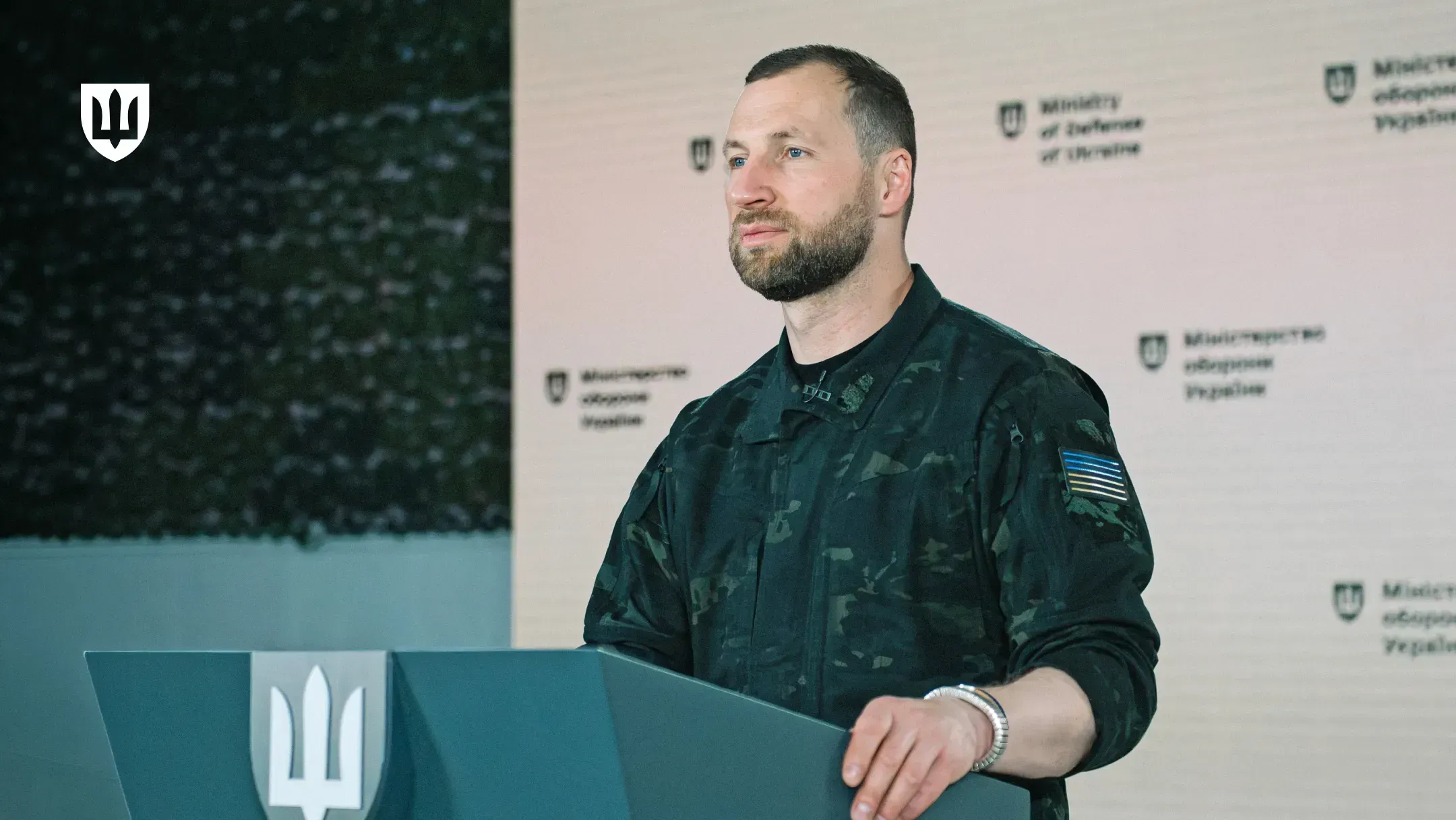
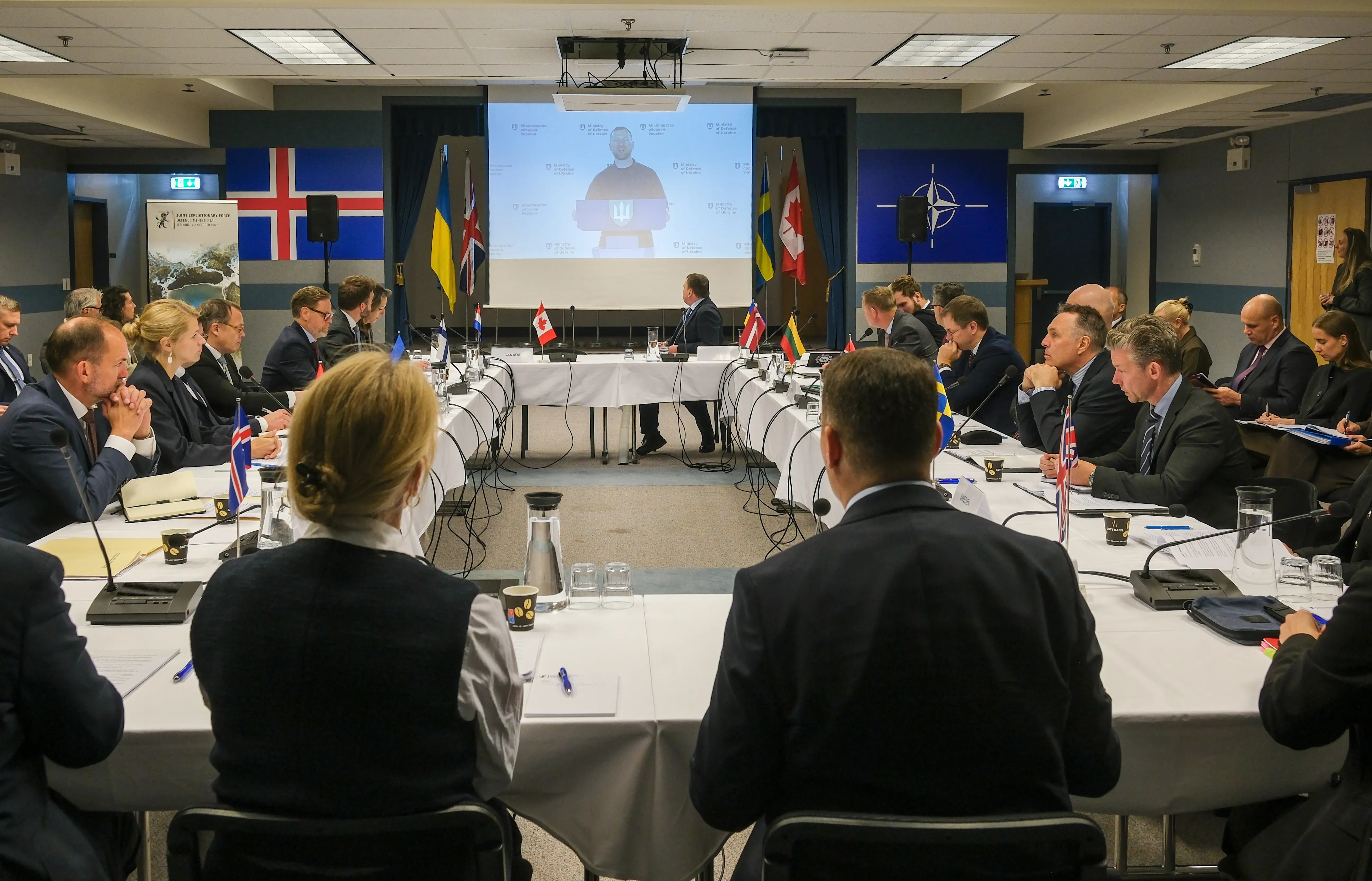
Ukraine is pitching practical counter-drone cooperation to the Joint Expeditionary Force. In an announcement dated 3 October, its defence ministry described Minister Evgeniy Khmara’s offer to deepen the Enhanced Partnership through interceptor drones, detection and the integration of information into a common air picture. The ministry links these capabilities to Baltic and North Atlantic security, including critical infrastructure.
The proposal presents Ukraine as a potential supplier of technology and operating experience, alongside its continuing need for support. Khmara says the solutions have worked in combat. That is the ministry’s assessment; the announcement does not identify a new JEF purchase, quantities or acceptance tests. The substantive news is the offer of a wider partnership built around concrete capabilities.
The ministry identifies Drone Deal, Train with Ukraine and Build with Ukraine as cooperation models. They cover technology transfer, training and joint production. Its account says some production projects are already under way with JEF participants, without naming new contracts. These are distinct industrial relationships: acquiring knowledge, learning to operate a system and making it together create different responsibilities.
Our analysis is that combining them could be more valuable than offering an interceptor as a standalone product. Detection, the shared picture, trained operators and replenishment all influence whether a counter-drone capability can keep working. An industrial partner therefore needs to explain what its contribution adds to the whole system, rather than treating the platform demonstration as the complete offer.
Ukraine’s Enhanced Partnership was announced in November 2025. The UK-led JEF brings together ten northern European countries; Ukraine’s partnership is a separate status. The earlier ministry announcement described interoperability, exercises and industrial cooperation, as well as Ukrainian interest in access to European technologies and production facilities. October’s proposal gives that relationship a more specific technology agenda.
This chronology matters for business development. The next useful signal is not another ceremonial declaration. It is evidence that partners have agreed which capability they want, who integrates it, who produces and supports it, and how they will measure performance. Those questions translate the political relationship into a deliverable industrial programme.
For manufacturers and investors, we would track three public milestones: a named industrial partnership, a defined demonstration or evaluation with a prospective user, and a funded production or acquisition decision. They establish different things. Seeing one should prompt a more precise question about the next, rather than a claim that the entire chain is complete.
Ukraine’s offer has a strong strategic logic: technologies developed under sustained threat could answer security problems elsewhere in Europe, while joint production gives Ukraine access to capacity and partners. The commercial opportunity is to make that exchange concrete. A credible proposal should connect a documented user need to integration, training and sustainment, with clear ownership of each task.
An industrial offer with a northern European customer in mind
Ukraine is pitching practical counter-drone cooperation to the Joint Expeditionary Force. In an announcement dated 3 October, its defence ministry described Minister Evgeniy Khmara’s offer to deepen the Enhanced Partnership through interceptor drones, detection and the integration of information into a common air picture. The ministry links these capabilities to Baltic and North Atlantic security, including critical infrastructure.
The proposal presents Ukraine as a potential supplier of technology and operating experience, alongside its continuing need for support. Khmara says the solutions have worked in combat. That is the ministry’s assessment; the announcement does not identify a new JEF purchase, quantities or acceptance tests. The substantive news is the offer of a wider partnership built around concrete capabilities.
Three different ways to turn experience into industry
The ministry identifies Drone Deal, Train with Ukraine and Build with Ukraine as cooperation models. They cover technology transfer, training and joint production. Its account says some production projects are already under way with JEF participants, without naming new contracts. These are distinct industrial relationships: acquiring knowledge, learning to operate a system and making it together create different responsibilities.
Our analysis is that combining them could be more valuable than offering an interceptor as a standalone product. Detection, the shared picture, trained operators and replenishment all influence whether a counter-drone capability can keep working. An industrial partner therefore needs to explain what its contribution adds to the whole system, rather than treating the platform demonstration as the complete offer.
The partnership predates this announcement
Ukraine’s Enhanced Partnership was announced in November 2025. The UK-led JEF brings together ten northern European countries; Ukraine’s partnership is a separate status. The earlier ministry announcement described interoperability, exercises and industrial cooperation, as well as Ukrainian interest in access to European technologies and production facilities. October’s proposal gives that relationship a more specific technology agenda.
This chronology matters for business development. The next useful signal is not another ceremonial declaration. It is evidence that partners have agreed which capability they want, who integrates it, who produces and supports it, and how they will measure performance. Those questions translate the political relationship into a deliverable industrial programme.
What would demonstrate progress
For manufacturers and investors, we would track three public milestones: a named industrial partnership, a defined demonstration or evaluation with a prospective user, and a funded production or acquisition decision. They establish different things. Seeing one should prompt a more precise question about the next, rather than a claim that the entire chain is complete.
Ukraine’s offer has a strong strategic logic: technologies developed under sustained threat could answer security problems elsewhere in Europe, while joint production gives Ukraine access to capacity and partners. The commercial opportunity is to make that exchange concrete. A credible proposal should connect a documented user need to integration, training and sustainment, with clear ownership of each task.
Sources & context
- Ukraine Ministry of Defence: JEF technology partnership, 3 October 2026 ↗
- Ukraine Ministry of Defence: Enhanced Partnership, 5 November 2025 ↗
Published by Mitchell Strategic Solutions Group. See our editorial standards and corrections policy. Read more →