Ukraine puts interceptor supply at the centre of its German industrial push
Kyiv names F-16 munitions and IRIS-T and Patriot missiles as priorities and reports five documents signed with German defence companies. The industrial question is how those agreements become repeatable supply.
- Ukraine
- Germany
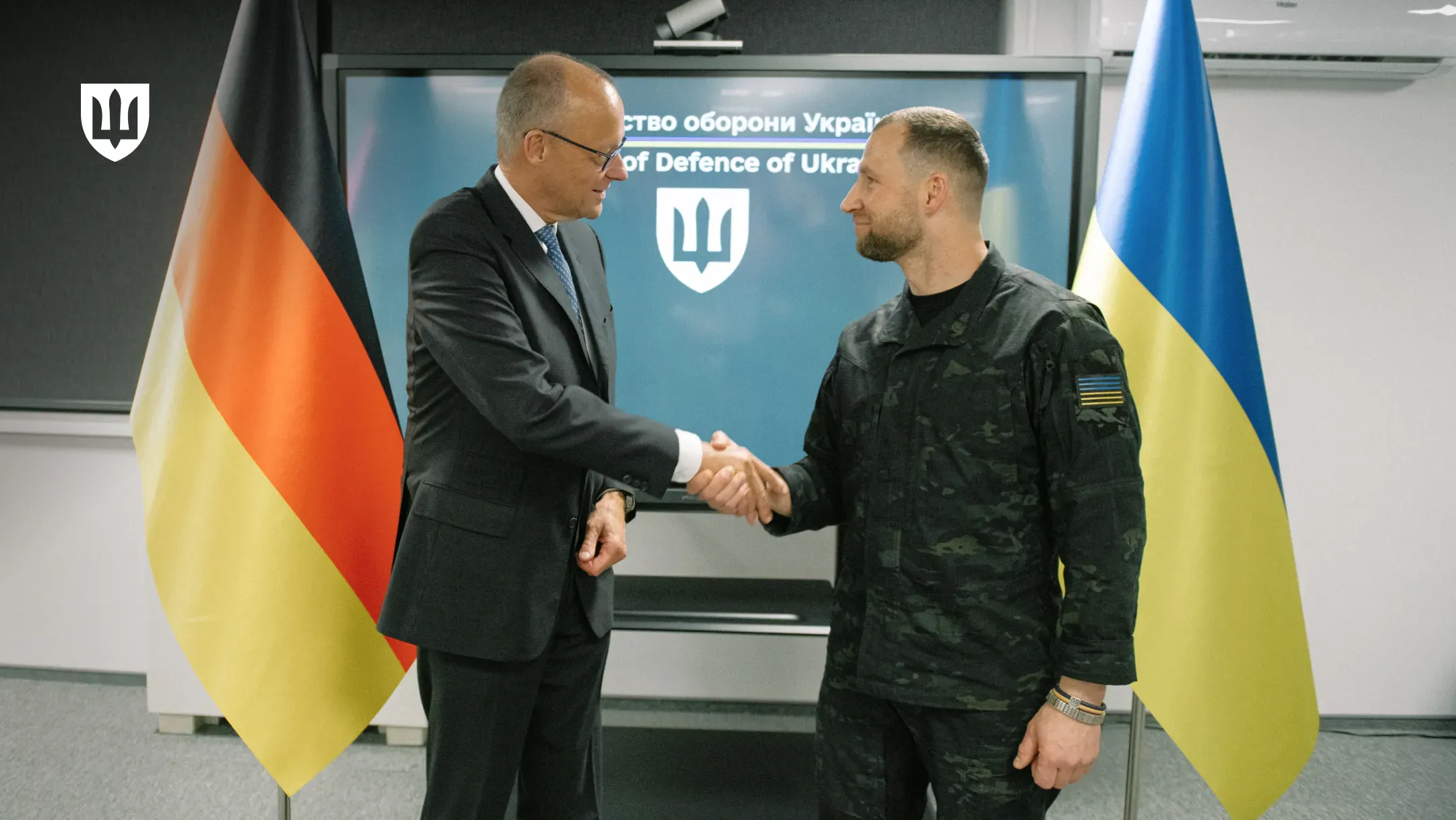
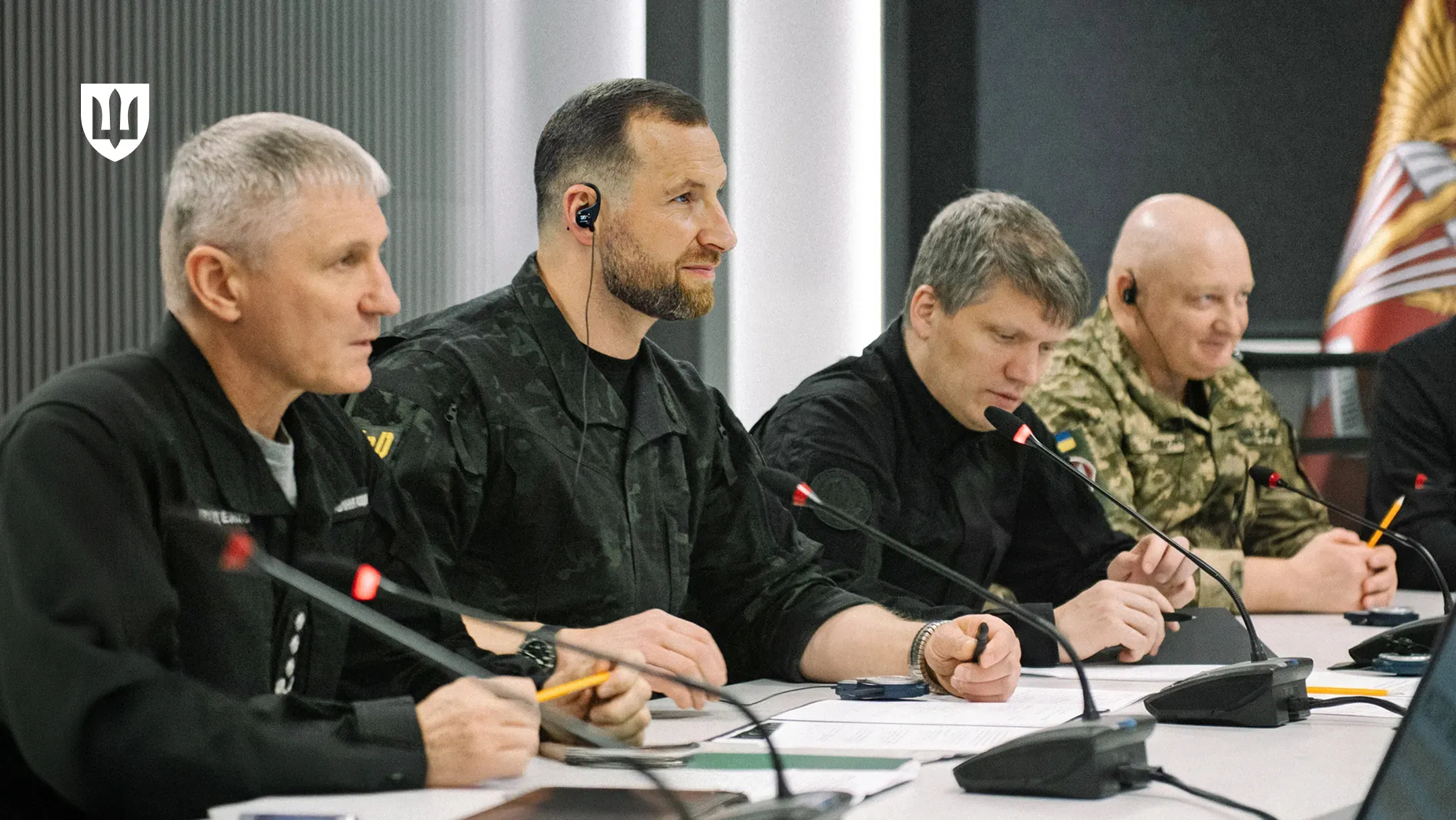
Ukraine has placed air-defence ammunition at the centre of its latest talks with Germany. In its 4 October announcement, the Ukrainian Ministry of Defence names munitions for F-16s and missiles for IRIS-T and Patriot among the requirements presented to Chancellor Friedrich Merz. Alongside the political talks, the ministry reports five documents signed with German defence companies following a bilateral business forum.
The immediate industrial significance is the combination of an identified equipment need and a route for cooperation with producers. Kyiv is asking for supplies that sustain existing capabilities while discussing how individual projects can become a joint scale-up programme. This gives the announcement a more concrete commercial focus than a general pledge of solidarity: ammunition, manufacturing and procurement have to connect.
The named requirements span fighter-aircraft munitions and two air-defence missile families. MSSG's reading is that the announcement makes replenishment a central part of the partnership discussion. It does not provide quantities, supplier names, document texts or delivery schedules, so the five signatures cannot yet be used to calculate additional available stock. That is the material boundary of the public record.
For industry, the practical distinction is between adding a platform and supplying what it consumes. A partnership can contribute through finished ammunition, manufacturing work, components or a wider production arrangement. Those are different commercial roles. The next useful announcement will identify which role each agreement covers and who is responsible for delivering it; a total number of documents cannot answer that question.
The Ukrainian statement cites EUR 11.5 billion in German assistance for 2026. That amount has a documented budget history: in November 2025, the German Federal Government said it was planning EUR 11.5 billion for support to Ukraine in its 2026 budget. The figure is therefore broader annual context, not evidence that the five newly reported documents are worth EUR 11.5 billion or that a fresh package of that value was signed at the forum.
The distinction matters when comparing industrial announcements. An annual support envelope describes the scale of a country's commitment; an agreement identifies a relationship or a project; deliveries show what reached the customer. Keeping the measures separate makes it possible to judge progress without repeatedly counting the same support under several headlines.
MSSG's analytical conclusion is that the most useful next evidence is a production and delivery schedule tied to a named manufacturer and a defined requirement. A credible scale-up story should allow a reader to trace the need, the industrial responsibility and the output. It should also show whether the arrangement supplies an immediate requirement or builds capacity for repeated replenishment.
Ukraine's announcement supplies the first of those elements and reports movement on the second. The commercial opportunity is clearer than a generic cooperation statement: keep three important equipment families supplied while developing a more systematic industrial relationship. Publication of the agreements' scope and implementation milestones will determine how substantial that step becomes.
A specific demand signal
Ukraine has placed air-defence ammunition at the centre of its latest talks with Germany. In its 4 October announcement, the Ukrainian Ministry of Defence names munitions for F-16s and missiles for IRIS-T and Patriot among the requirements presented to Chancellor Friedrich Merz. Alongside the political talks, the ministry reports five documents signed with German defence companies following a bilateral business forum.
The immediate industrial significance is the combination of an identified equipment need and a route for cooperation with producers. Kyiv is asking for supplies that sustain existing capabilities while discussing how individual projects can become a joint scale-up programme. This gives the announcement a more concrete commercial focus than a general pledge of solidarity: ammunition, manufacturing and procurement have to connect.
Three equipment families, one replenishment problem
The named requirements span fighter-aircraft munitions and two air-defence missile families. MSSG's reading is that the announcement makes replenishment a central part of the partnership discussion. It does not provide quantities, supplier names, document texts or delivery schedules, so the five signatures cannot yet be used to calculate additional available stock. That is the material boundary of the public record.
For industry, the practical distinction is between adding a platform and supplying what it consumes. A partnership can contribute through finished ammunition, manufacturing work, components or a wider production arrangement. Those are different commercial roles. The next useful announcement will identify which role each agreement covers and who is responsible for delivering it; a total number of documents cannot answer that question.
Put the money on the right timeline
The Ukrainian statement cites EUR 11.5 billion in German assistance for 2026. That amount has a documented budget history: in November 2025, the German Federal Government said it was planning EUR 11.5 billion for support to Ukraine in its 2026 budget. The figure is therefore broader annual context, not evidence that the five newly reported documents are worth EUR 11.5 billion or that a fresh package of that value was signed at the forum.
The distinction matters when comparing industrial announcements. An annual support envelope describes the scale of a country's commitment; an agreement identifies a relationship or a project; deliveries show what reached the customer. Keeping the measures separate makes it possible to judge progress without repeatedly counting the same support under several headlines.
What would make this a scale-up story?
MSSG's analytical conclusion is that the most useful next evidence is a production and delivery schedule tied to a named manufacturer and a defined requirement. A credible scale-up story should allow a reader to trace the need, the industrial responsibility and the output. It should also show whether the arrangement supplies an immediate requirement or builds capacity for repeated replenishment.
Ukraine's announcement supplies the first of those elements and reports movement on the second. The commercial opportunity is clearer than a generic cooperation statement: keep three important equipment families supplied while developing a more systematic industrial relationship. Publication of the agreements' scope and implementation milestones will determine how substantial that step becomes.
Sources & context
- Ukraine Ministry of Defence: German talks and five industrial documents, 4 October 2026 ↗
- German Federal Government: 2026 support budget, 26 November 2025 ↗
Published by Mitchell Strategic Solutions Group. See our editorial standards and corrections policy. Read more →