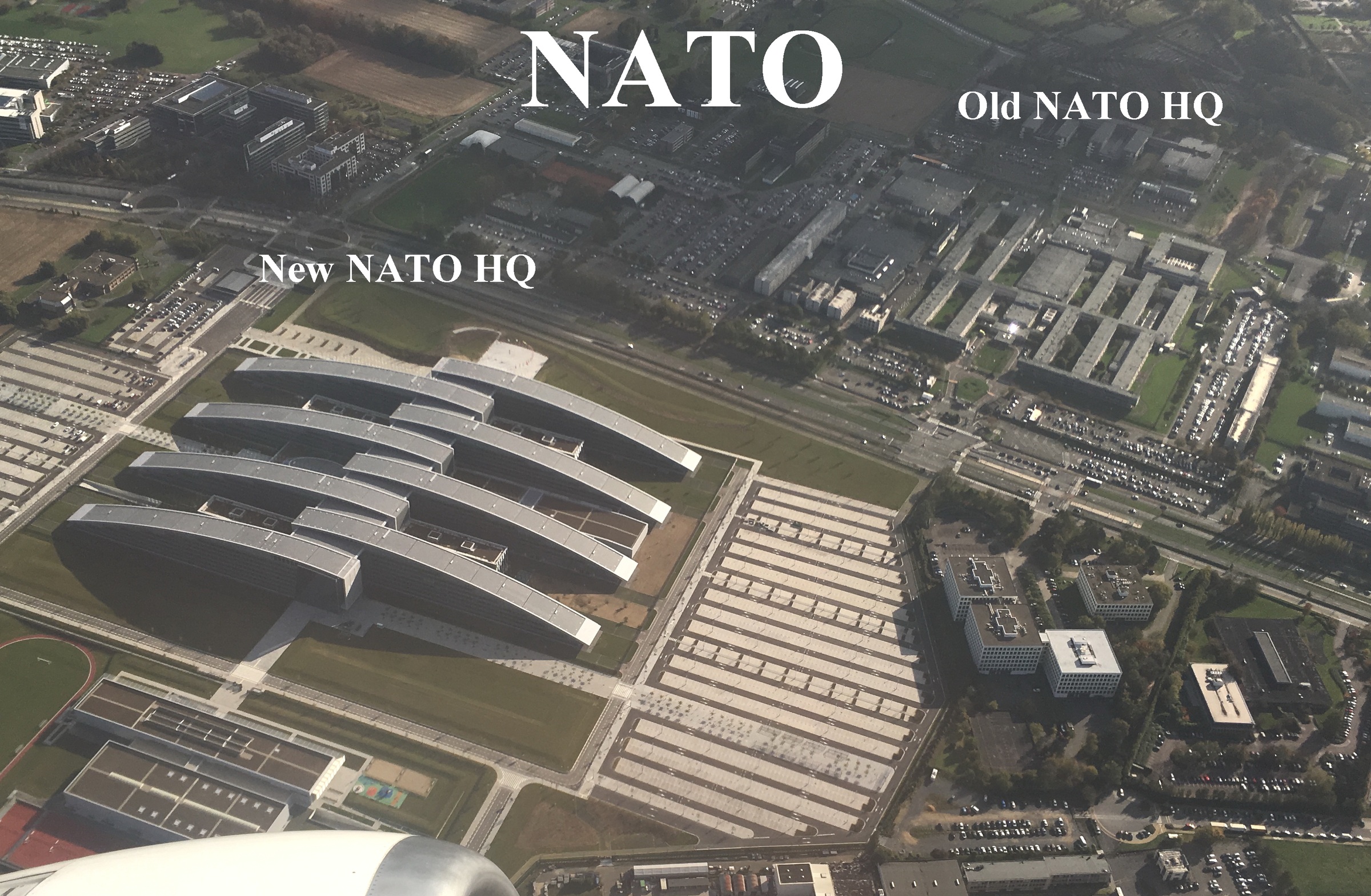

ESSOR starts its narrowband phase. Poland’s Radmor is part of the common radio architecture.
OCCAR and a4ESSOR launched work under the amended Stage 4 contract on 22 October. A future NATO waveform standard is one part of a larger interoperability and support programme.
- NATO
- ESSOR
European forces can retain different national radio systems and still need a common way to communicate. That is the industrial purpose of ESSOR, whose next development phase OCCAR and a4ESSOR launched at a meeting in Bonn on 22 October.
The new work includes the ESSOR Narrow Band Waveform, or ENBWF. OCCAR describes it as based on the future NATO STANAG 5630 Edition 2 and intended for national software-defined radios using the common ESSOR architecture. The wording matters: this is a development phase, not an announcement that the new waveform has already been adopted as that NATO standard.
A software-defined radio separates more of its communications behaviour from the fixed hardware platform. ESSOR’s approach is to make a common waveform available across participating national systems. The established high-data-rate waveform, EHDRWF, was adopted as NATO STANAG 5651 in 2023, according to OCCAR.
A shared waveform does not require one national radio supplier
The programme links Finland, France, Germany, Italy, Poland and Spain with Bittium, Thales, Rohde & Schwarz, Leonardo, Radmor and Indra. Poland’s participation therefore has a named industrial counterpart, Radmor. The latest announcement does not allocate a new Polish contract value or quantify how many Polish radios will receive the narrowband capability.
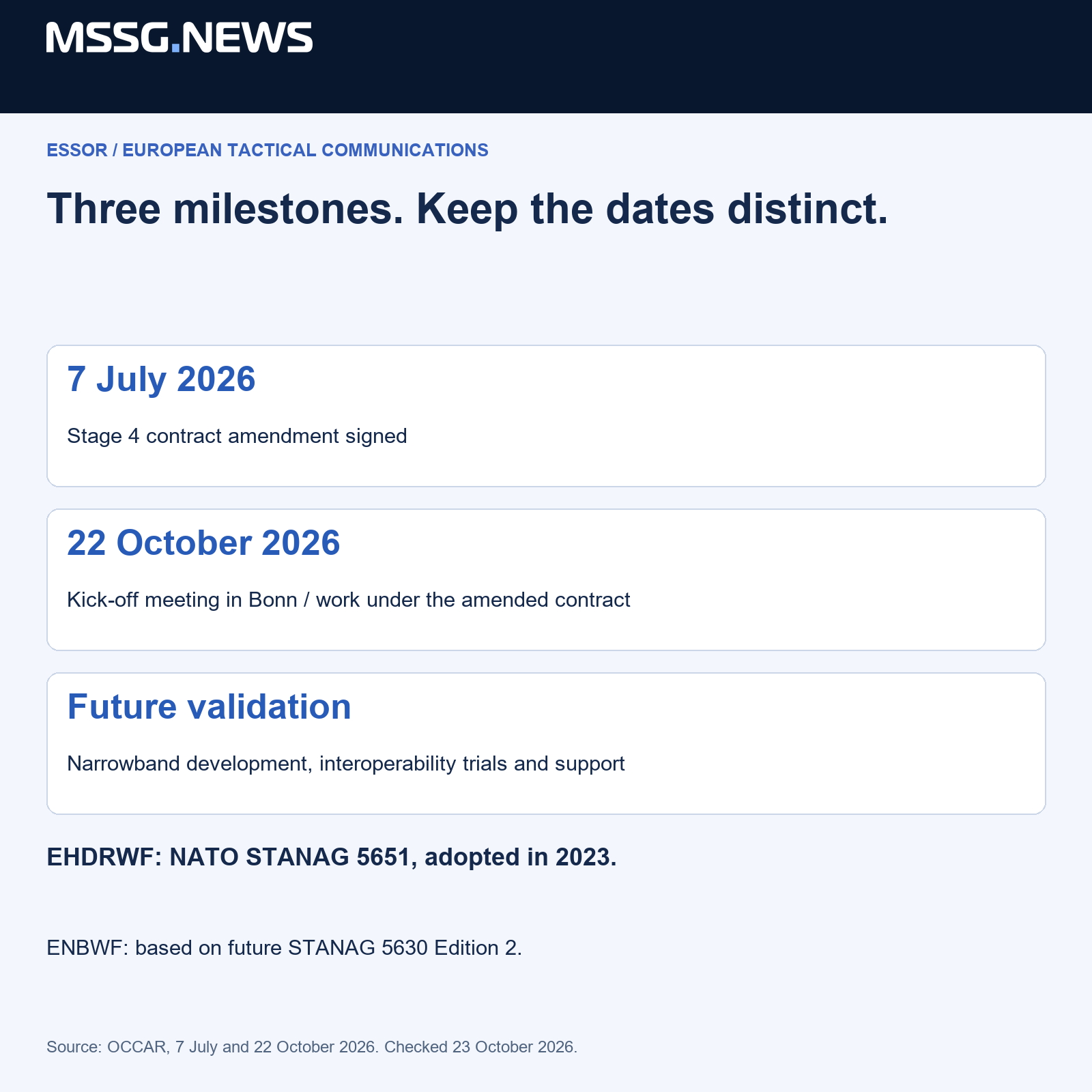
The July contract and October start are different milestones
OCCAR announced the Stage 4 contract amendment on 7 July. That earlier announcement put the overall ESSOR programme value above EUR 211 million and referred separately to a procurement contract of more than EUR 47 million signed in 2025 for EHDRWF deployment. Neither figure is a new award announced at the October meeting.
The distinction helps explain what has changed this week. A previously signed contractual expansion has moved into its organised work phase. Its scope includes narrowband validation, field testing of the high-data-rate waveform, technical trials and interoperability verification. OCCAR also identifies an in-service support framework and a reference laboratory as programme outputs.
Interoperability has to survive maintenance
Our assessment is that the laboratory and support framework deserve as much attention as the new waveform. A multinational capability needs a repeatable way to establish which hardware and software combinations remain compatible after updates. Initial interoperability demonstrations cannot by themselves guarantee every later field configuration.
That creates industrial work around integration, verification and sustained support, alongside waveform development. A radio manufacturer can retain its own platform while participating in a common communications baseline; the cost is that compatibility has to be demonstrated and maintained across that baseline.
For Europe’s collective defence, NATO’s role here is a technical reference that connects national capabilities. ESSOR’s next phase illustrates how European industrial cooperation can give that reference an implementation path. The reported programme milestones establish development and testing activity, not a measured battlefield effect or a finished multinational deployment.
Sources & context
Published by Mitchell Strategic Solutions Group. See our editorial standards and corrections policy. Read more →
Related reporting

NATO uses minehunting drones to inspect Baltic infrastructure. The result is evidence, not automatic attribution.
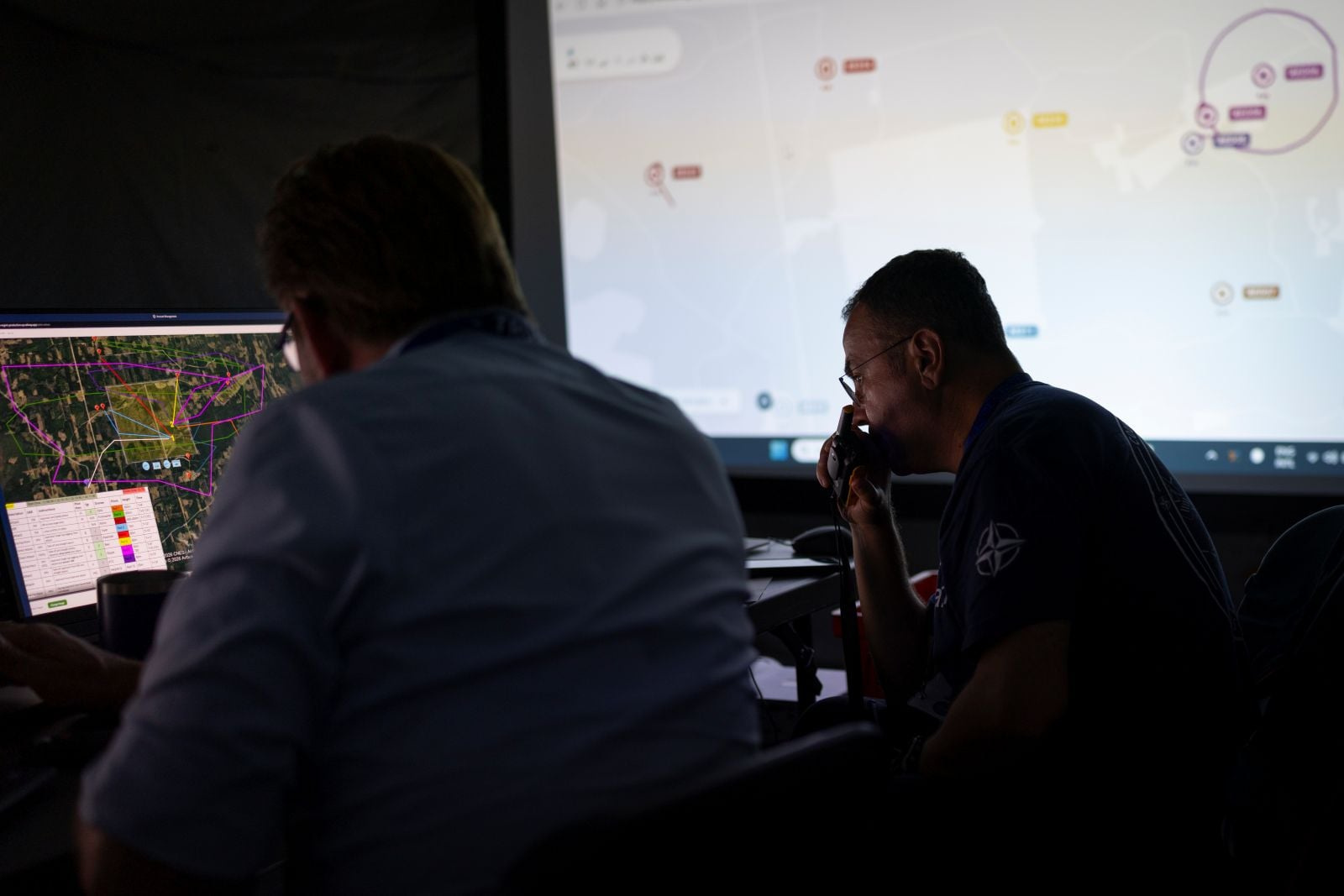
NATO’s DiBaX tests the civilian networks behind military resilience.