ESA's grid-resilience call starts with an operational problem
ESA lists 29 September as the opening date for a call on space-enabled services that help electricity operators make measurable decisions. The 27 November deadline is for an initial pitch.
- Deadline: 2026-11-27
Application deadline: 2026-11-27
See the call page for current conditions and closing time.
The Smart and Resilient Energy Systems call sets out a route for companies bringing space-enabled services into electricity-network operations. ESA lists 29 September as its opening date and 27 November 2026 as the deadline for the initial Activity Pitch Questionnaire. The November date is not the deadline for a complete project proposal.
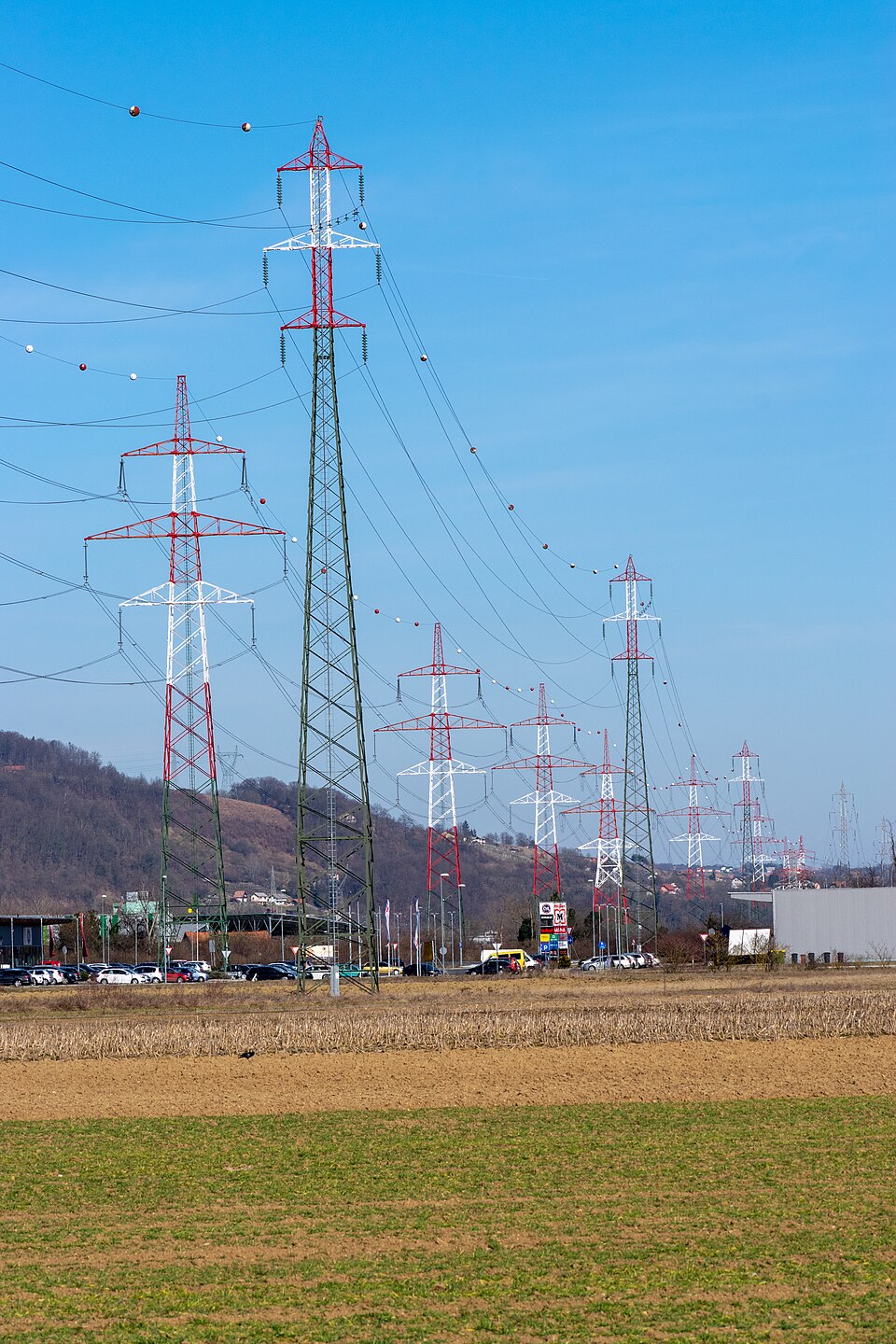
The call draws on challenges identified with Slovenia's grid operator ELES. Its three areas cover forecasting and network operations, better environmental inputs for dynamic thermal rating, and infrastructure intelligence. It accepts proof-of-concept studies and pilot projects. Poland is among the eligible countries.
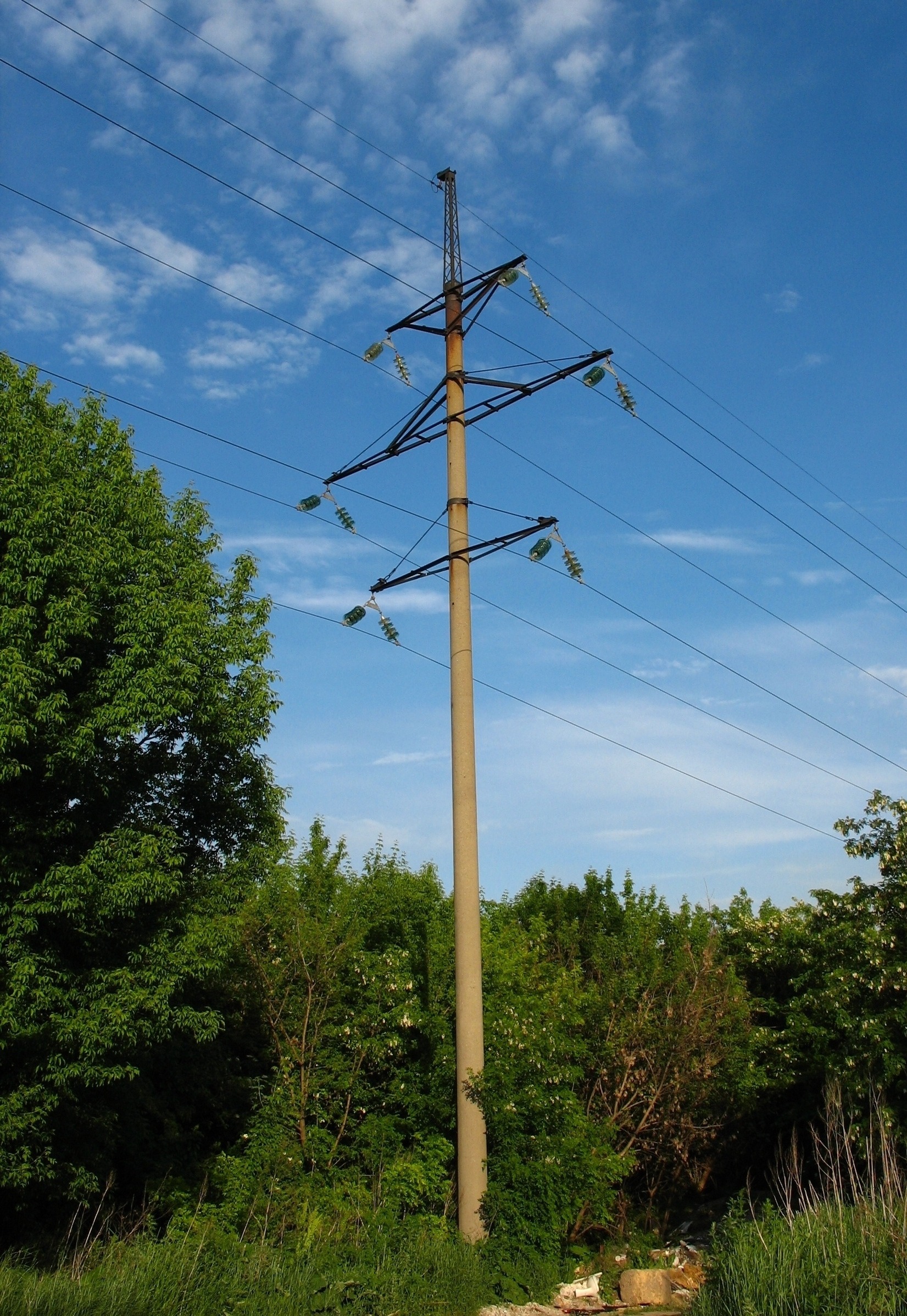
The second area is unusually specific. ELES already operates the SUMO dynamic thermal-rating system and is seeking better measurements and forecasts of wind, ambient temperature and solar irradiance. Better inputs could help an operator assess how much current a line can carry under actual conditions. The third area includes vegetation and hazard monitoring, asset condition and digital-twin data. The call expects applicants to explain the distinct value added by Earth observation, satellite communications or satellite navigation, rather than merely attaching a space label to an ordinary dashboard.
For a dual-use business, the opportunity is to demonstrate civilian infrastructure value with a user who can describe an operational need. A general claim that a technology improves resilience will leave important questions unanswered: which decision changes, what data arrives in time, and how will the operator measure an improvement?
A staged application
ESA's application guide separates the initial pitch, an outline proposal and a full proposal. The outline follows acceptance of the pitch and is due within two months of pitch submission. A full proposal follows an accepted outline and is due within four months of that approval. Registration in OSIP and esa-star serves different stages.
Written national funding authorisation generally accompanies the full proposal. The call identifies Slovenia as pre-authorised. Other teams should not confuse a technically promising discussion with confirmation that the funding conditions for their country have been met.
ESA advertises zero-equity co-funding of up to 50-80% of activity costs. The applicable share depends on factors including SME status and Member State approval; it is not a flat grant to every eligible applicant. ESA also asks for an active user's support, a sustainable commercial model and in-house capacity to obtain and process space data. It will provide financial and strategic support, not act as the bidder's software development team or guarantee an ELES purchase.
Make the service testable
Our reading is that a convincing pilot needs an agreed baseline. A team could explain the operator's current workflow, the information its service would add, and the decision that information is intended to support. It should also identify conditions in which the service cannot deliver its usual result. That makes a trial easier to evaluate than a demonstration judged only by an attractive dashboard.
The commercial question deserves the same specificity. Who operates and maintains the service after the project, and what will a customer pay for? Project support can help establish evidence; a sustainable service still needs a purchasing decision and an operating model.
Sources & context
- ESA Smart and Resilient Energy Systems call ↗
- ESA proof-of-concept and pilot application guide ↗
- ESA national delegations ↗
Published by Mitchell Strategic Solutions Group. See our editorial standards and corrections policy. Read more →