

DIANA and Ukraine sign a testing partnership. The practical work starts with requirements.
The first DIANA memorandum with a NATO partner opens cooperation on development and testing. It does not announce a new application round or a purchase.
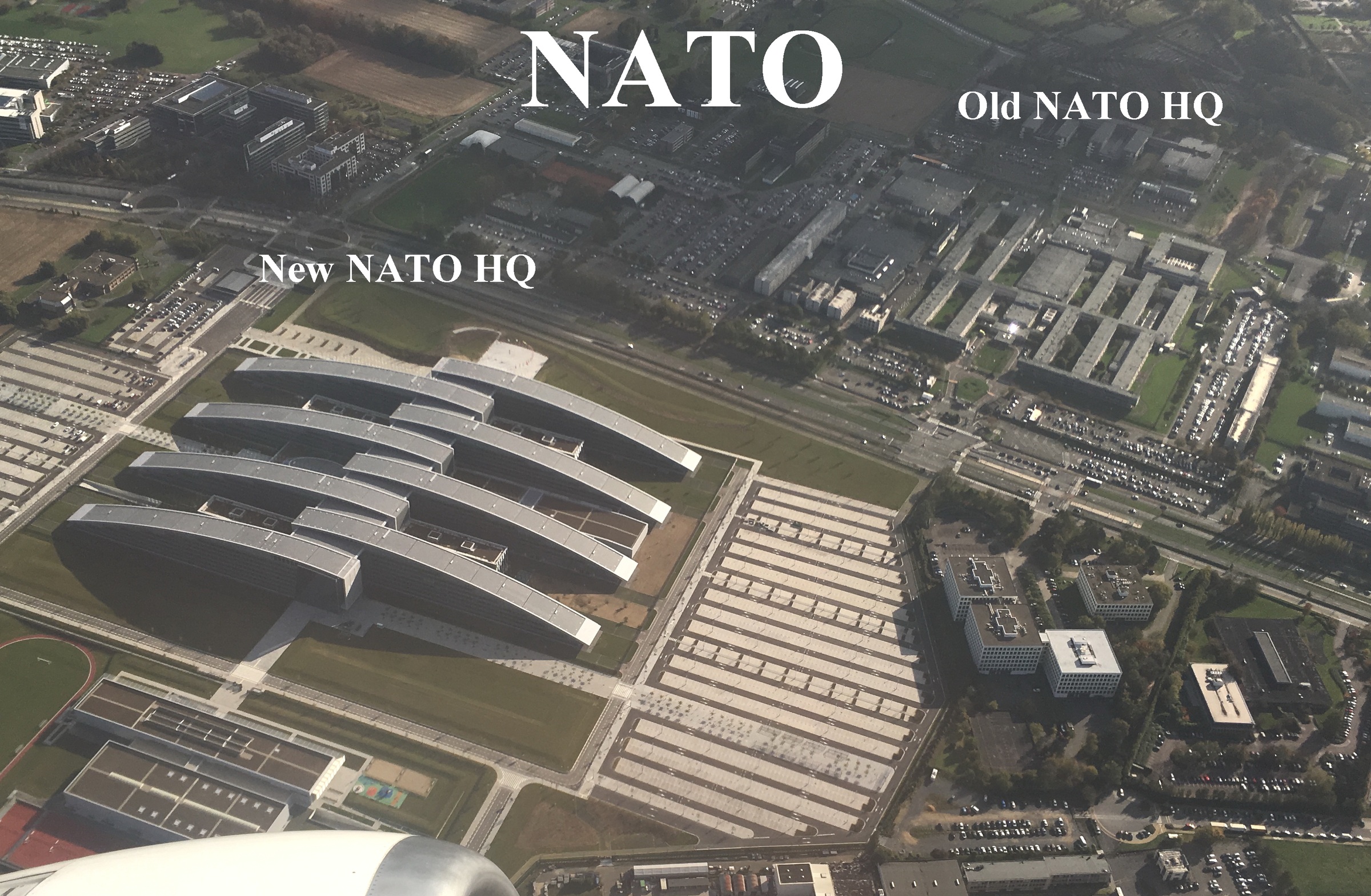
- NATO
- DIANA
DIANA and Ukraine have created a formal route to work more closely on developing and testing technology.
The useful distinction for a company is between gaining a cooperation framework and receiving a specific opportunity to test or sell a product.
NATO says the memorandum was signed at its Brussels headquarters on 29 October. It is DIANA’s first agreement of this kind with a NATO partner. The announcement identifies NATO requirements, testing opportunities and barriers to scaling Ukrainian innovations as areas for further work.
What each side brings
NATO describes a reciprocal relationship. Ukrainian innovators bring experience of rapid adaptation and feedback under wartime conditions. DIANA connects companies with defence and security expertise and infrastructure across the Alliance. Combining those networks could make experience easier to translate into evidence another customer can assess.
That final step is our analysis of the commercial significance. A result obtained for one user under particular conditions still needs a clear description before another organisation can rely on it. The memorandum creates a basis for cooperation; the announcement does not publish a shared test protocol or certify particular products.
Requirements come before claims of compatibility
For a supplier, the first practical question is what the intended NATO user needs to decide. A test can then identify the configuration, operating conditions and output that would support that decision. A documented requirement also helps separate a useful specialist component from a claim to provide an entire operational capability.
A European integration partner can contribute by making interfaces, support responsibilities and evidence requirements explicit. Those are possible roles to discuss, not roles allocated by the memorandum. The public statement does not name selected companies, a delivery quantity or a procurement budget.
Follow the implementing opportunities
The next commercial signal will be a concrete invitation or implementing arrangement: who can participate, what will be tested, which information can be shared and who is responsible for the result. These details should be checked in the relevant published rules when an opportunity appears.
The 29 October announcement supplies no new application deadline, funding amount or automatic admission route for Ukrainian companies. Firms should therefore treat it as a partnership development and prepare evidence relevant to a defined user need, rather than present the signing itself as an award.
Sources & context
Published by Mitchell Strategic Solutions Group. See our editorial standards and corrections policy. Read more →