Ukraine redirects UAH 15.6bn: procurement plans must catch up with the battlefield
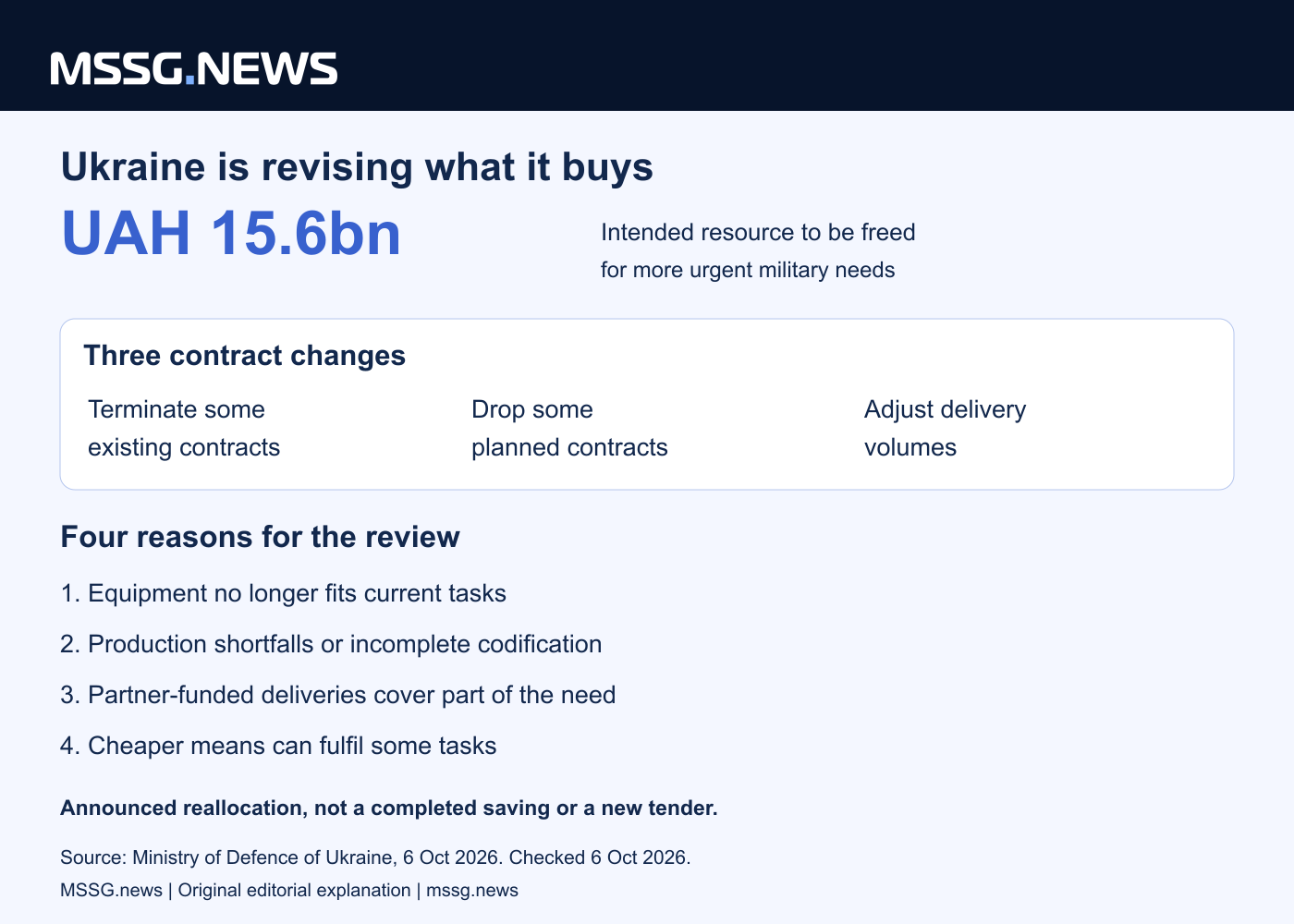
Ukraine is revising existing and planned weapons purchases to free UAH 15.6 billion for higher priorities. The shift exposes a hard industrial test: does the product still fit the mission, and can the supplier deliver it?
- Ukraine
- Defence procurement
Ukraine is changing what it buys, not simply asking for a bigger defence budget. On 6 October, its Ministry of Defence said a review with the General Staff would free UAH 15.6 billion from existing and planned weapons purchases for more urgent military needs. For suppliers, the consequence is direct: yesterday’s requirement must still justify today’s contract.
The review combines contract terminations, decisions not to enter some planned contracts and adjustments to delivery volumes. The ministry says some volume changes have already been made. The UAH 15.6 billion is the resource expected to be released through the review, rather than money already saved or a newly opened tender.
The General Staff has determined the final list of purchases to revise, and the ministry has passed the relevant documents to the Defence Procurement Agency. The agency says affected manufacturers have been informed, with further steps considered individually against contract performance, payments and terms.
Four reasons demand is moving
The ministry identifies four pressures: some weapons no longer match current combat tasks; suppliers cannot produce the planned quantity, or models have not yet been codified; partner-funded deliveries already cover part of the requirement; and some tasks can be performed with cheaper means, allowing more units within the same resource.
Those are different problems. A manufacturing shortfall cannot be solved by repeating a performance claim. A product whose role has changed faces a different challenge from a delivery duplicated by partner support. Treating every contract revision as a judgment on technical quality would miss the actual procurement logic.
The industrial lesson: keep the requirement alive
MSSG.news’s reading is that demand must be managed throughout the contract, not only at award. Suppliers need an up-to-date explanation of the military task, evidence of deliverable quantities and a clear account of how their product fits alongside partner-funded equipment. Those are analytical implications of the announced review, not additional requirements issued by the ministry.
The same announcement makes the buyer’s responsibility visible. The agency is discussing each affected position with manufacturers rather than assuming all contracts can be changed in the same way. Contract status and payments matter alongside the new priority. The ministry says terminations will follow the law and that the cancelled weapons list will remain undisclosed for security reasons.
The central finding is a shift from defending a procurement plan to testing whether it still delivers the needed result. More money matters, but keeping obsolete or undeliverable requirements on the books can consume the capacity the military needs elsewhere.
Sources & context
Published by Mitchell Strategic Solutions Group. See our editorial standards and corrections policy. Read more →
Related reporting

Ukraine moves to turn defence export fees into weapons funding and military pay
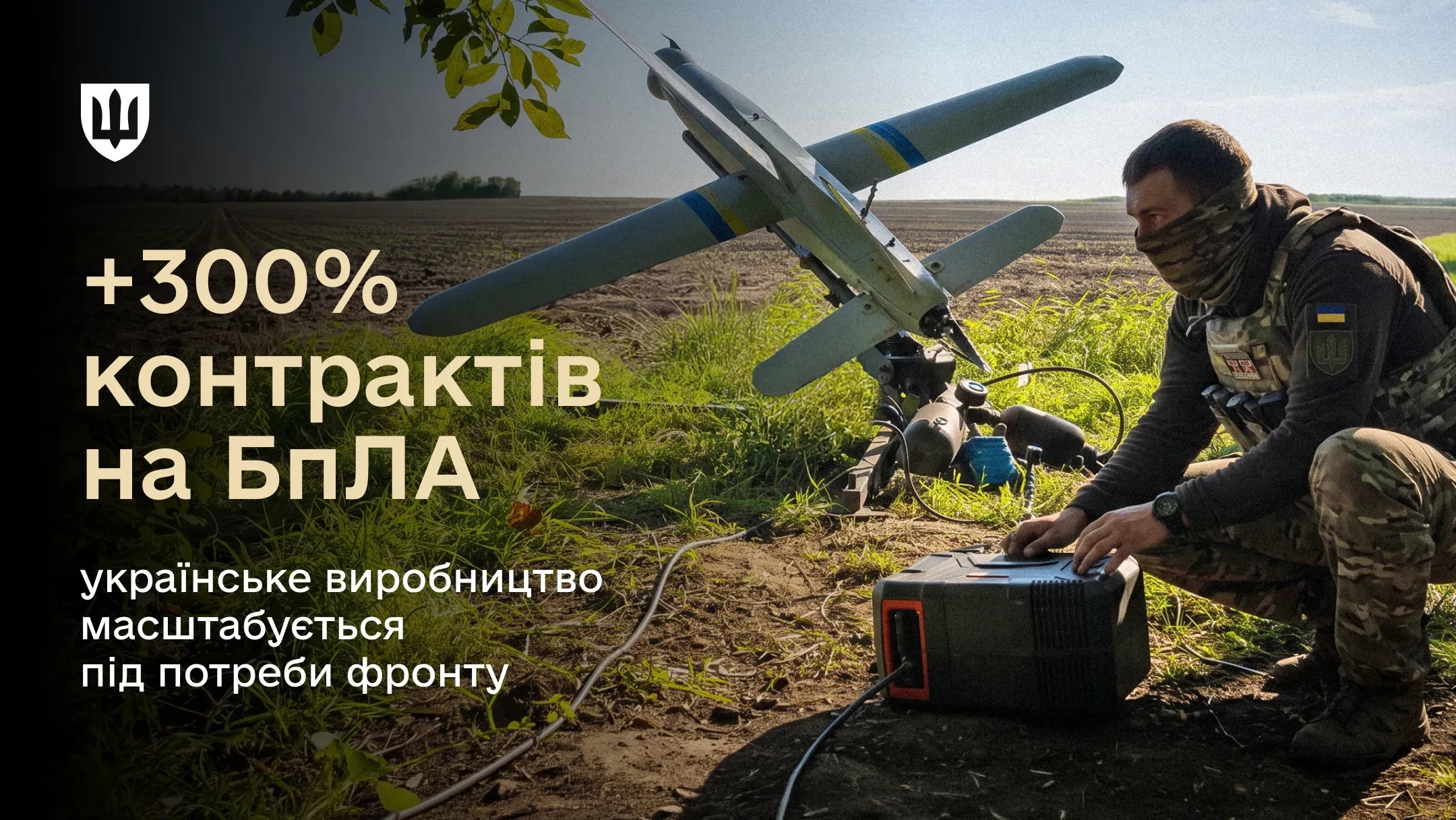
Ukraine expands drone orders sharply. The next industrial test is repeatable delivery