Britain and Germany deepen defence cooperation. The decisive question is who delivers.
London talks renewed the industrial agenda of two major NATO allies. Our analysis separates a political commitment from the work packages that can make it useful.
- NATO
- United Kingdom
Britain and Germany are adding industrial substance to their defence relationship. For a supplier, the most useful signal is the point at which political cooperation becomes a defined task with a customer, an owner and a delivery decision.
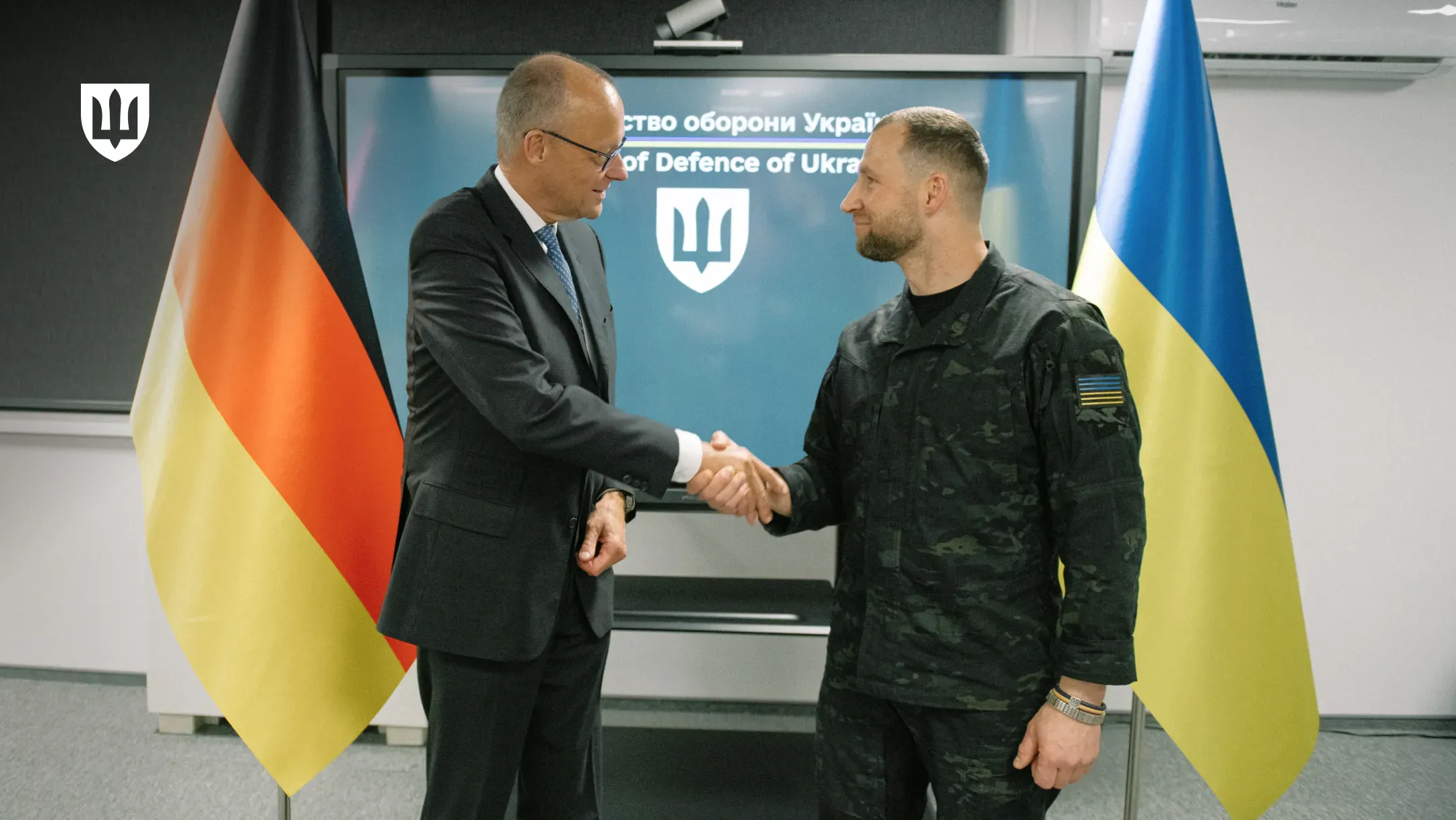
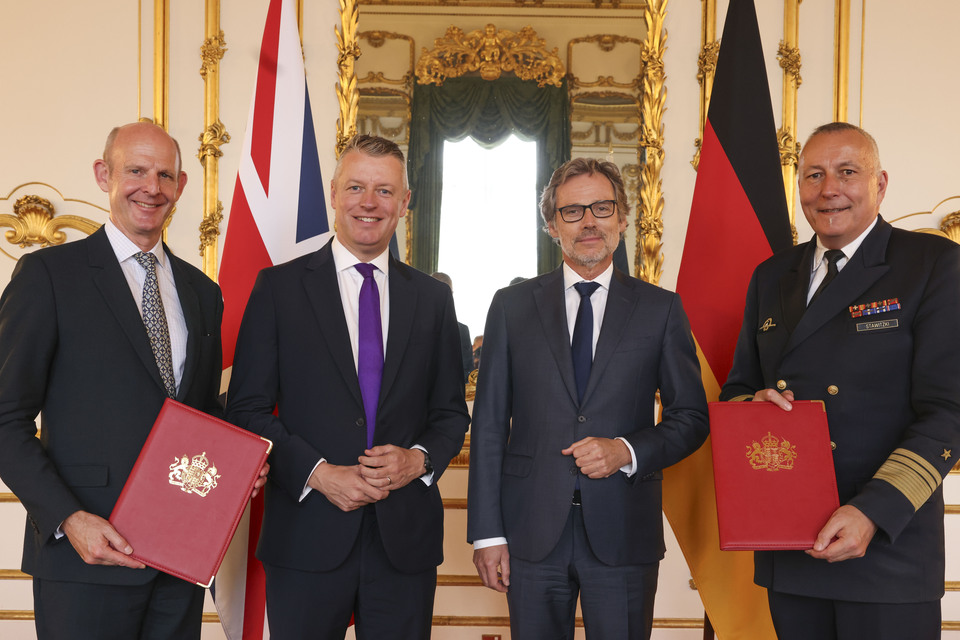
The UK Ministry of Defence reported on 16 October that the two countries had held equipment and capability talks in London the previous day. Their agenda included industrial cooperation and the joint Deep Precision Strike initiative, under the wider Trinity House and Kensington framework.
These are major NATO economies using bilateral cooperation to support capability development. The commercial test is whether that framework produces work that a manufacturer or technology company can actually qualify for and deliver.
Cooperation creates a coordination problem to solve
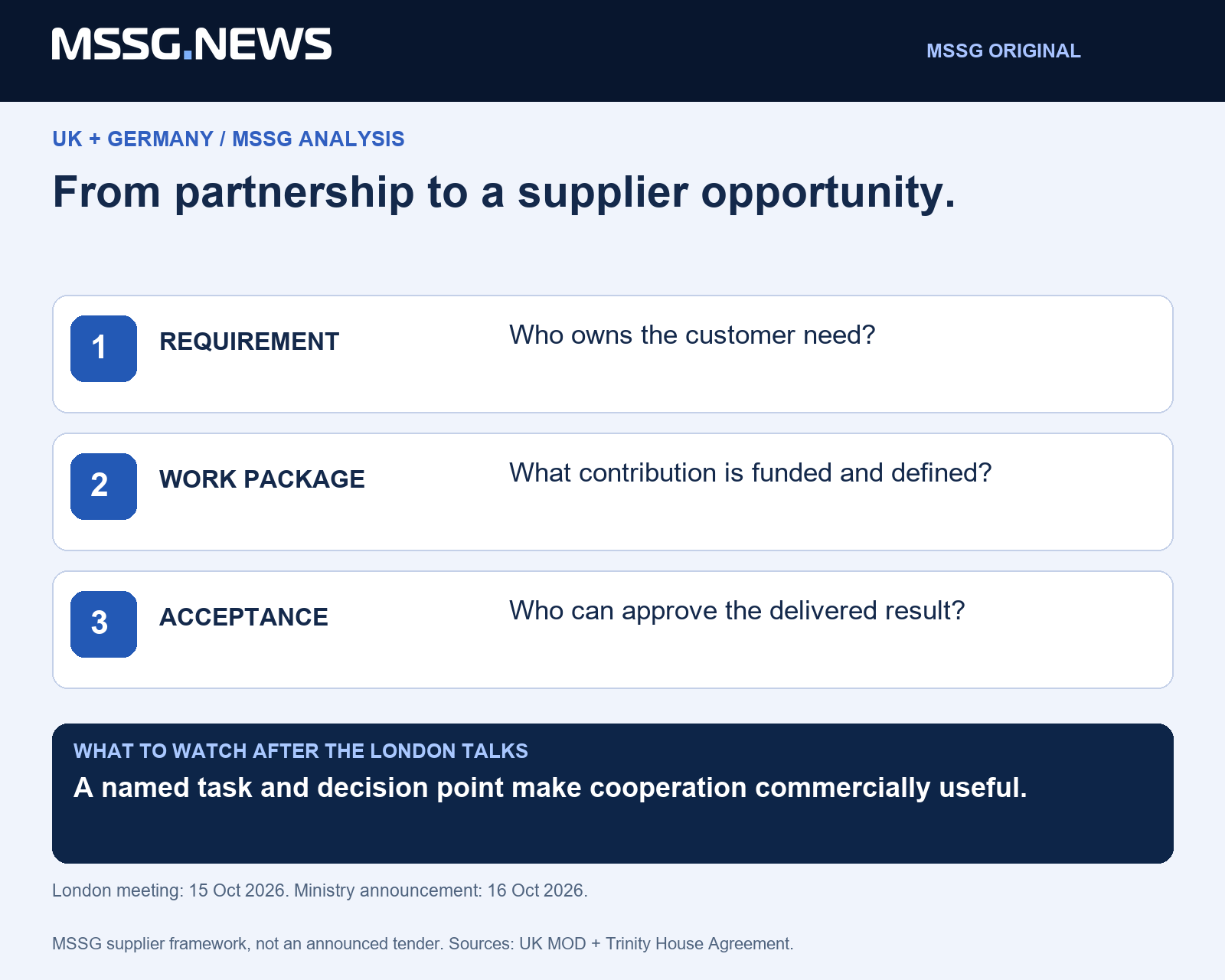
The 2024 Trinity House agreement establishes a broad defence relationship. Such a framework can give programmes political continuity, but an industrial team still needs to know which organisation owns the requirement, who pays for the next stage and who can accept the result.
Those responsibilities matter particularly when several national organisations and commercial partners share a programme. A supplier should distinguish a discussion about future capability from an invitation to offer a defined contribution. Our reading of the new talks is an opportunity to watch that translation, rather than evidence of a newly advertised supplier competition.
The strongest next signal would connect a public priority to a funded activity with a scope and decision point. That lets a smaller business judge whether its technology solves a real integration need, whether the timetable is credible and whether it has the staff and rights needed to participate.
A useful European offer starts with an interface
For Polish and other European suppliers, a broad partnership announcement is a reason to map relevant industrial teams. It is not a substitute for finding the actual purchasing route. The useful first offer explains what will be supplied, how it fits another party's system and how conformity will be demonstrated.
That approach is especially valuable for software, sensors, manufacturing processes and support services that can contribute to a larger system. A supplier can present a defined responsibility without claiming to deliver the entire capability. The buyer can then assess a contribution against an interface and acceptance requirement.
Intellectual-property and support arrangements belong in that discussion from the beginning. A technically successful demonstration can still leave uncertainty about who may change the design, repair a part or maintain software. Naming those responsibilities early makes the proposed division of work more credible.
NATO readiness needs work that can be repeated
Bilateral programmes matter to European security when they help deliver equipment and services that users can sustain. Cooperation between large allies can support that aim, but the measure should remain the resulting capability and its availability to the customer, not the number of meetings.
Our proposed supplier test has three stages: identify the requirement, define the contribution and establish who accepts it. This is an analytical reading of industrial cooperation, not a procurement procedure announced by either government.
The new London talks therefore deserve attention for what follows. Watch for programme responsibilities, qualified industrial work and funded next steps. Those are the details that turn a strong diplomatic relationship into a usable market signal and, ultimately, a stronger contribution to NATO's deterrence.
Sources & context
Published by Mitchell Strategic Solutions Group. See our editorial standards and corrections policy. Read more →