MARSUR at REPMUS: live data exchange reaches national and NATO systems
EDA says the EU maritime-surveillance network exchanged information with national command systems and NATO during a live exercise. The next step is a proposed classified network, subject to approval and funding.
- technology
- maritime security
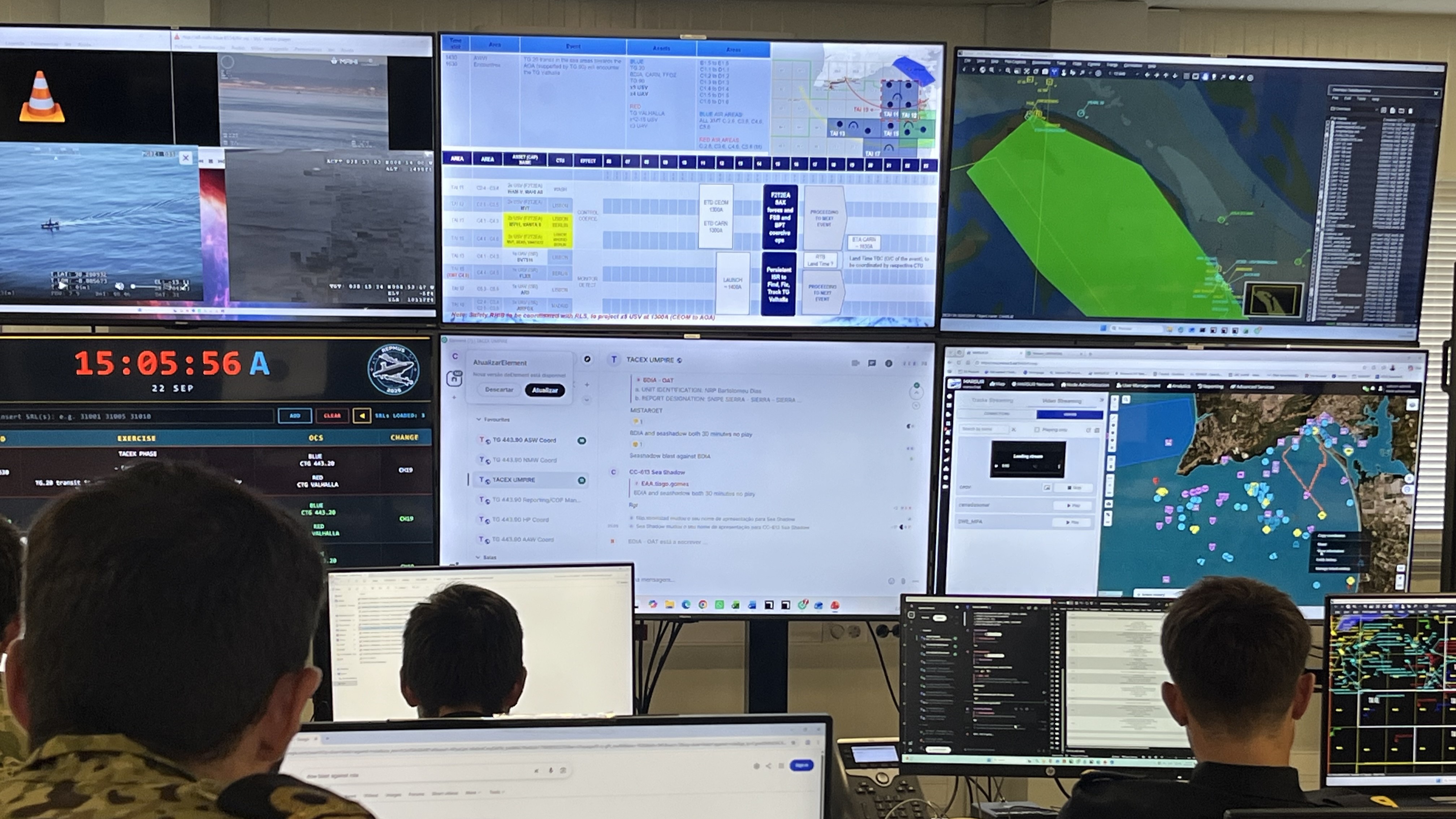
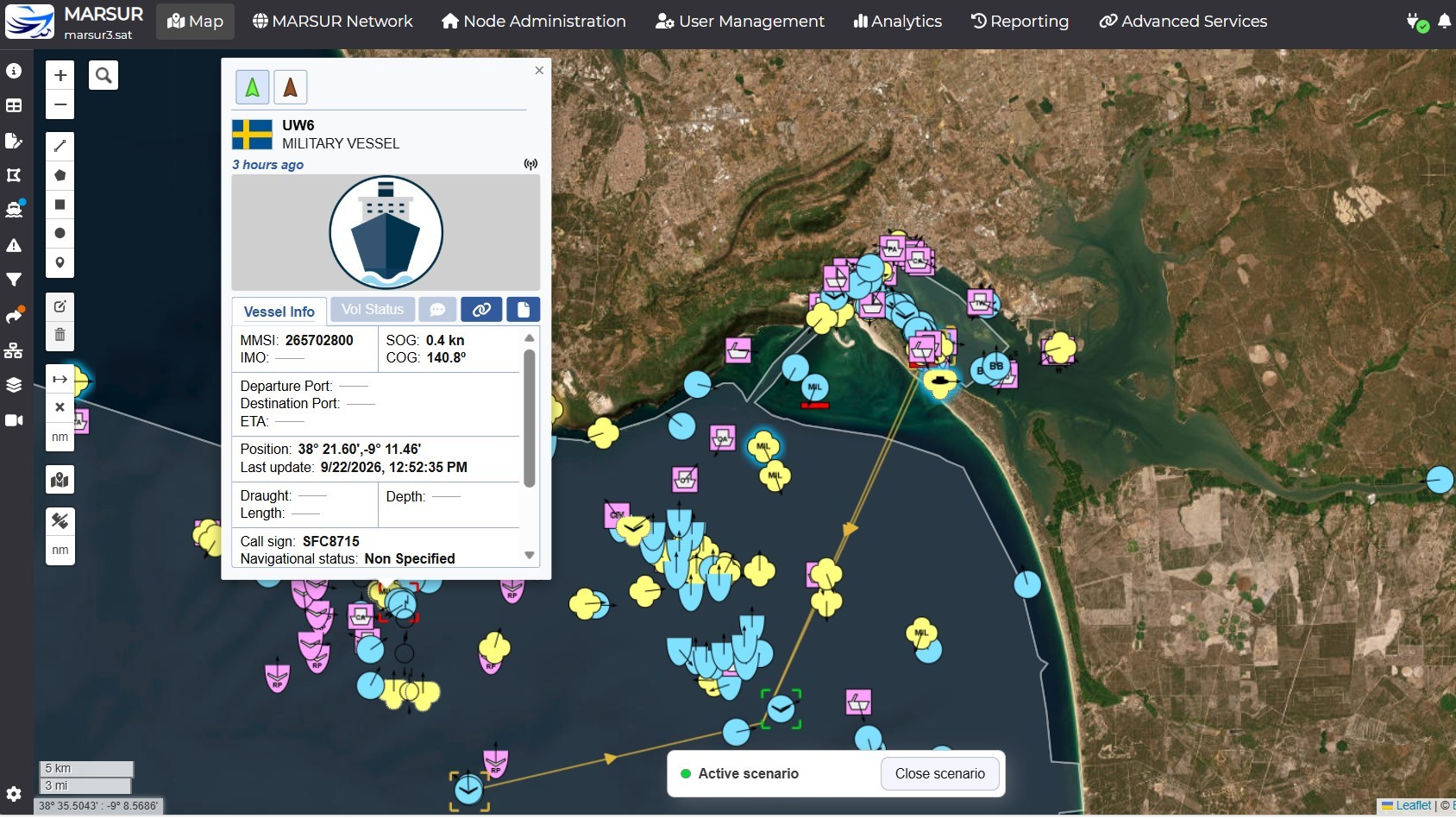
The European Defence Agency reported on 23 September that MARSUR, the EU maritime-surveillance network, exchanged information in real time with national command systems and NATO sources during REPMUS 2026 off Portugal. The demonstration connected data made available by participating countries and systems, including information originating from unmanned platforms, and redistributed it within MARSUR.
This matters because maritime awareness depends on connecting information held by different organisations. A sensor, an unmanned platform and a national command centre can each work on their own, yet still fail to produce a shared operational picture. The REPMUS test addressed that interface problem in a live multinational setting.
The result should be read as evidence of interoperability at the exercise, not as proof that every connected system is ready for classified operational use. EDA says MARSUR still operates at an unclassified, protected level. The proposed move to EU Secret therefore remains a separate programme decision with technical, security and governance work ahead.
What was demonstrated
EDA says MARSUR ingested information made available by participating national and NATO systems, including data originating from unmanned systems, using a data-exchange standard implemented for REPMUS. It then distributed the information through the MARSUR network. Participants also tested standard operating procedures and national scenarios concerning underwater infrastructure and monitoring of shadow-fleet activity.
The wider exercise provides useful context for the test. The Portuguese Navy says REPMUS 2026 runs from 31 August to 25 September around Troia and Sesimbra, involving more than 1,500 people from 36 navies, over 60 companies, 13 universities, five NATO bodies, more than 300 unmanned systems and 14 ships. Those figures describe the exercise as a whole, rather than the scale of the MARSUR data exchange alone.
The network and the proposed classified layer
MARSUR is a federated system rather than a single central database. An EDA factsheet describes a decentralised peer-to-peer architecture that connects national maritime operations centres, EU operational headquarters and SatCen nodes through encrypted networks. The broader initiative involves 23 European nations; the factsheet says 16 navies currently use the MARSUR III surveillance system.
EDA links the REPMUS result to a funding request under an EU Defence Project of Common Interest. The proposal would modernise 18 nodes, connect MARSUR with the European External Action Service secure operational network and support EU Secret-level information exchange. According to EDA, work would begin in 2027 and a fully classified network could become operational in 2028, subject to European Council approval later in 2026.
What suppliers should take from the test
For suppliers, the relevant question is not only whether a sensor or platform can collect useful information. It is whether the product can publish and receive data through the standards, security controls and operational procedures used by the customer network. Evidence should distinguish a laboratory interface, an exercise connection and accreditation for a classified operational environment.
The demonstration also shows why public claims need precise scope. Successful exchange during REPMUS supports the case that the tested interfaces can work together in that setting. It does not by itself establish procurement, certify every participating product or confirm readiness for EU Secret information. Those are later milestones with different evidence.
Sources & context
- European Defence Agency - MARSUR at REPMUS 2026 ↗
- European Defence Agency - MARSUR III factsheet ↗
- Portuguese Navy - REPMUS 2026 ↗
Published by Mitchell Strategic Solutions Group. See our editorial standards and corrections policy. Read more →