Copernicus Risk and Recovery: public maps, controlled activation
Reading a published product and requesting a new service activation are different routes. That distinction matters for resilience businesses.
- technology
- Europe
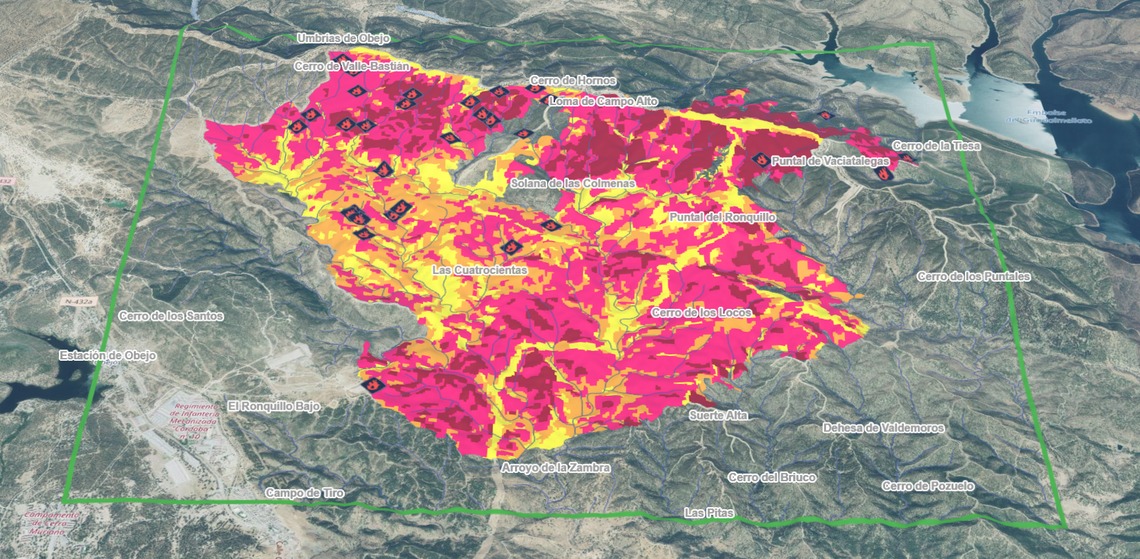
Copernicus Emergency Management’s Risk and Recovery Mapping service supports work beyond the immediate emergency response, including preparedness, prevention and recovery. Its documentation describes satellite-based mapping and related geospatial products.
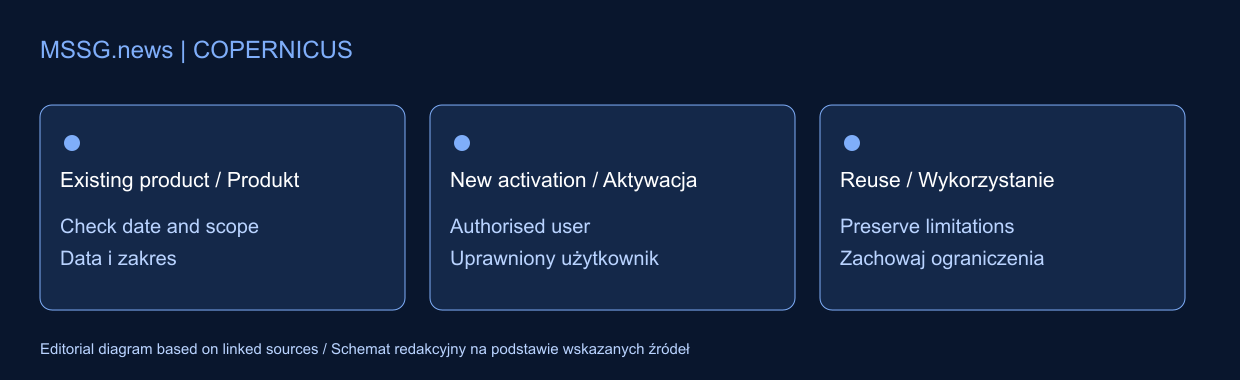
Authorised users, such as the relevant public authorities, request activations. Other end users work through that route. Published, non-restricted products can be available to a wider audience, but access to an existing map is not the same as authority to commission a new activation.
A company developing an infrastructure or environmental service should distinguish three things: the underlying observations, the mapped product and the decision the customer must take. An available map may answer one question while leaving another unresolved. Reusing it responsibly requires understanding its scope, date and limitations.
Define what the customer needs
Our assessment is that this is where a downstream provider can add value: helping a customer interpret the available information within its own process, without representing the provider as the authority that activates the public service.
A historical map is not a live situation feed
Products describe particular locations and periods. A recovery assessment cannot automatically be used as a current operational picture. The product metadata and documentation should remain attached to any analysis so that readers can distinguish the observed event from a later interpretation.
Build around the correct access route
Before promising a customer a new map, establish whether the need can be met with existing products or requires coordination with an authorised user. Check the applicable access and reuse conditions. A proposal is more credible when it explains that dependency clearly rather than assuming that public data availability means an on-demand service for every company.
Sources & context
Published by Mitchell Strategic Solutions Group. See our editorial standards and corrections policy. Read more →