

JASPER puts GNSS-interference awareness beside the cockpit’s existing navigation
The ESA-supported project combines detection, crew alerts and post-flight analysis. Its retrofit approach addresses a civil-aviation problem with clear relevance to European resilience.
- GNSS
- Aviation
An aircraft can keep its existing navigation equipment and still need better information about interference affecting satellite signals. That is the product problem behind JASPER, the Jamming/Spoofing Event Recognition System listed for a final NAVISP presentation on 22 October.
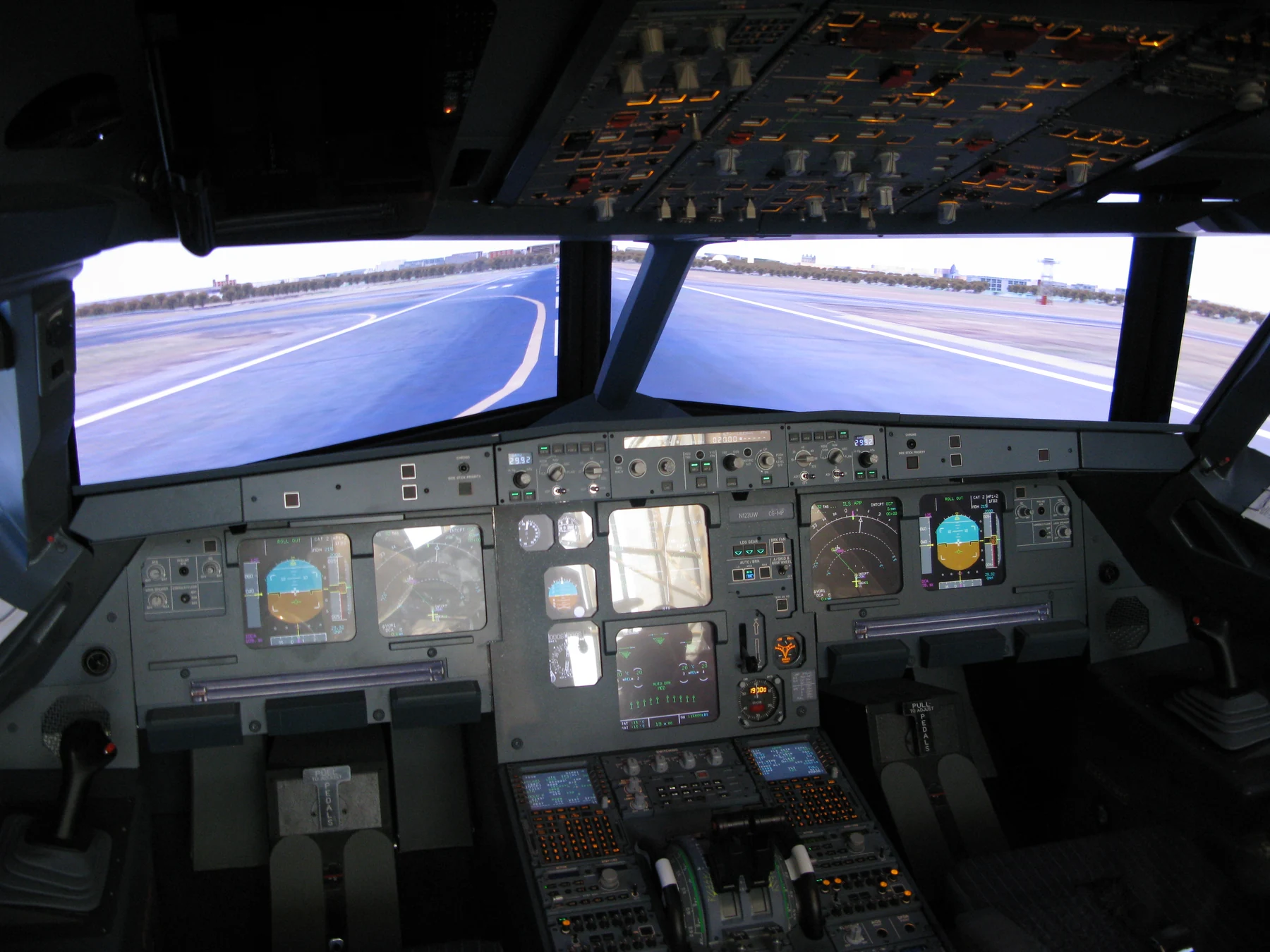
ESA’s event description sets out three connected functions: onboard detection, crew alerts through an Electronic Flight Bag and post-flight analysis. The intended retrofit reduces the need for deep integration into existing avionics. The project page is explicit that the device is not intended to replace existing GNSS receivers.
This is an account of the published project design, not a report from inside the presentation or an announcement of certification. Its importance lies in the interface between an interference detector, a crew’s information environment and an airline’s wider data workflow.
A detector and an alert serve different users
JASPER’s design separates sensing from the way information reaches the flight crew. That is a meaningful industrial choice: detection electronics and a cockpit information interface have different development tasks. A useful alert must convey the state of the equipment and the limits of the information without implying that an auxiliary device has become an approved replacement navigation source.
EASA’s July update to its GNSS-interference bulletin includes Electronic Flight Bag integration alongside communications, training and air-traffic-control considerations. That provides context for the problem JASPER addresses. It does not constitute EASA approval of this particular product.

The consortium connects a prototype to an avionics product
The NAVISP record names f.u.n.k.e. AVIONICS as consortium leader responsible for avionics. DLR’s Institute of Communications and Navigation contributes an already flight-tested receiver prototype, while its Institute of Flight Guidance contributes experience in pilot-assistance systems and cockpit integration.
The recorded first phase defines the intended hardware and software and examines certification, production and commercial questions. In our reading, the transition being attempted is from a research demonstrator to a supportable aviation product. A prototype’s flight history alone does not answer how a production unit will be installed, maintained or accepted by an operator.
Post-flight information creates a second product layer
ESA also describes aggregated interference information, maps and post-flight insights. Those outputs serve a different timescale from a crew alert. For an airline or service supplier, the value depends on consistent records that can be compared across flights, equipment configurations and software versions.
Our assessment is that a buyer should evaluate those two layers separately: whether the crew interface communicates the detector’s status clearly, and whether the recorded information can support a reproducible fleet-level analysis. That is a product-evaluation framework, not operational flight guidance.
For Europe’s dual-use ecosystem, JASPER illustrates the work needed to transfer interference-detection expertise into civil infrastructure. The commercial path runs through integration, production and a defined acceptance process. The public material supplies the architecture and industrial roles, but no independent performance figures or evidence of fleet-wide deployment.
Sources & context
- ESA NAVISP: JASPER final-presentation listing, 22 October 2026 ↗
- ESA NAVISP EL2-280: industrial roles and first-phase scope ↗
- EASA: GNSS-interference bulletin update, 3 July 2026 ↗
Published by Mitchell Strategic Solutions Group. See our editorial standards and corrections policy. Read more →
Related reporting

HYPER-EDGE studies a ten-minute fire alert. The next evidence is a benchmark, not a launch.

MetOp-SG-B1 reaches French Guiana. Europe’s weather upgrade also needs a ground chain.