
Aether in Ukraine: why a prosthetic hand needed a route through clinics and reimbursement
An MSSG case study follows the work between an innovative product and a repeatable service for Ukrainian users.
- Aether Biomedical
- Ukraine
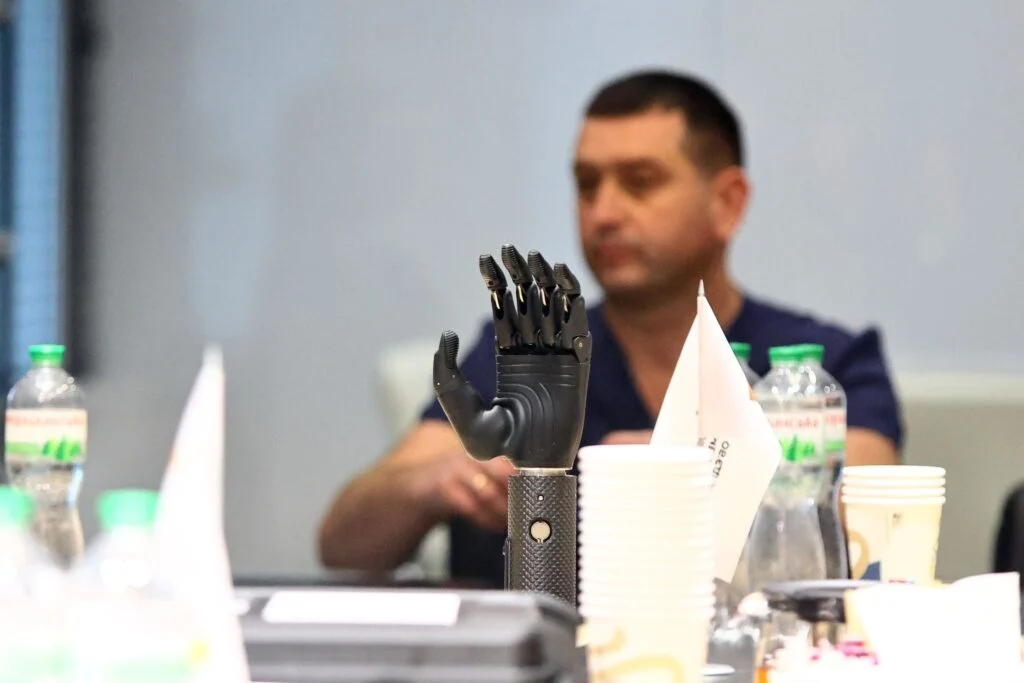
In 2024, MSSG began helping Aether Biomedical develop a route into Ukraine for its Zeus bionic hand. This account draws on the publisher’s own advisory case study. It is not an independent clinical review or a report of a new product launch.
The assignment involved more than identifying demand. The team had to understand fitting, clinical partners, certification, reimbursement, maintenance and local operations. A person’s need for a prosthesis does not by itself establish who can supply it or how it will be paid for.
MSSG’s case describes initial meetings and institutional interest that did not produce a reliable sales route. The team then revised the approach rather than treating introductions and letters of intent as completed market entry.
Several routes instead of one decision
The revised approach combined work with non-profit prosthetic centres, a public hospital, commercial clinics, the state reimbursement pathway and a local Ukrainian presence. These elements addressed different parts of the service rather than relying on one central institutional decision.
Clinical partners and prosthetists were essential to fitting and follow-up. Aether supplied the product and its own team; Ukrainian institutions, clinicians and patients were central to implementation. MSSG’s role concerned coordination, local research, relationships and the market-entry process.
The figures and their limits
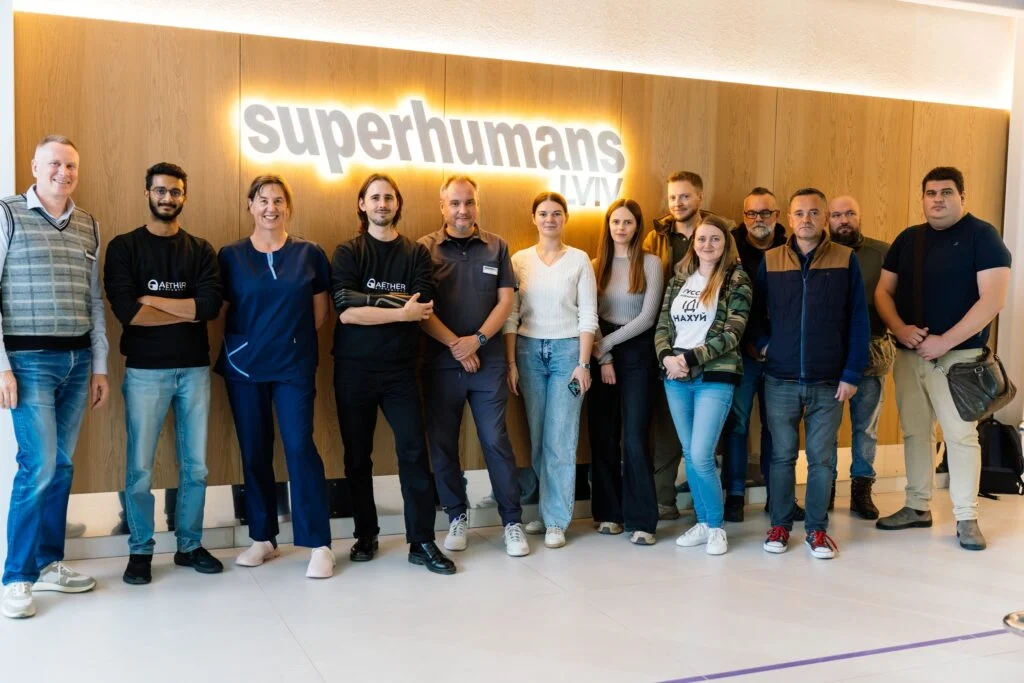
The published case reports, as of late 2025, 170 Zeus fittings through non-profit centres, 30 at the public Halychyna hospital and 60 through commercial clinics. It also reports a Ukrainian subsidiary and locally recruited staff. These are figures from the advisory case, not independently audited outcomes or current totals.
The case distinguishes privately supported fittings from reimbursed procedures. That distinction matters when assessing whether a route can continue beyond a particular donor or pilot project. Plans for later fittings should not be added to completed results.
What other med-tech companies can take from it
Our analysis is that market entry needs an end-to-end service model: who qualifies the patient, who fits the device, who provides follow-up and who pays under which procedure. A product comparison based only on price and headline functionality leaves much of that model unanswered.
The case also shows why field research can change an apparently sound plan. MSSG had to revise its assumptions after the first mission. The lesson is not that every company should copy the same route, but that introductions need to be tested against actual clinical and payment processes.
Sources & context
Published by Mitchell Strategic Solutions Group. See our editorial standards and corrections policy. Read more →
Related reporting
Working with Ukraine: openness and the urgency of decisions
Beyond the stand: suppliers, permits and certification