
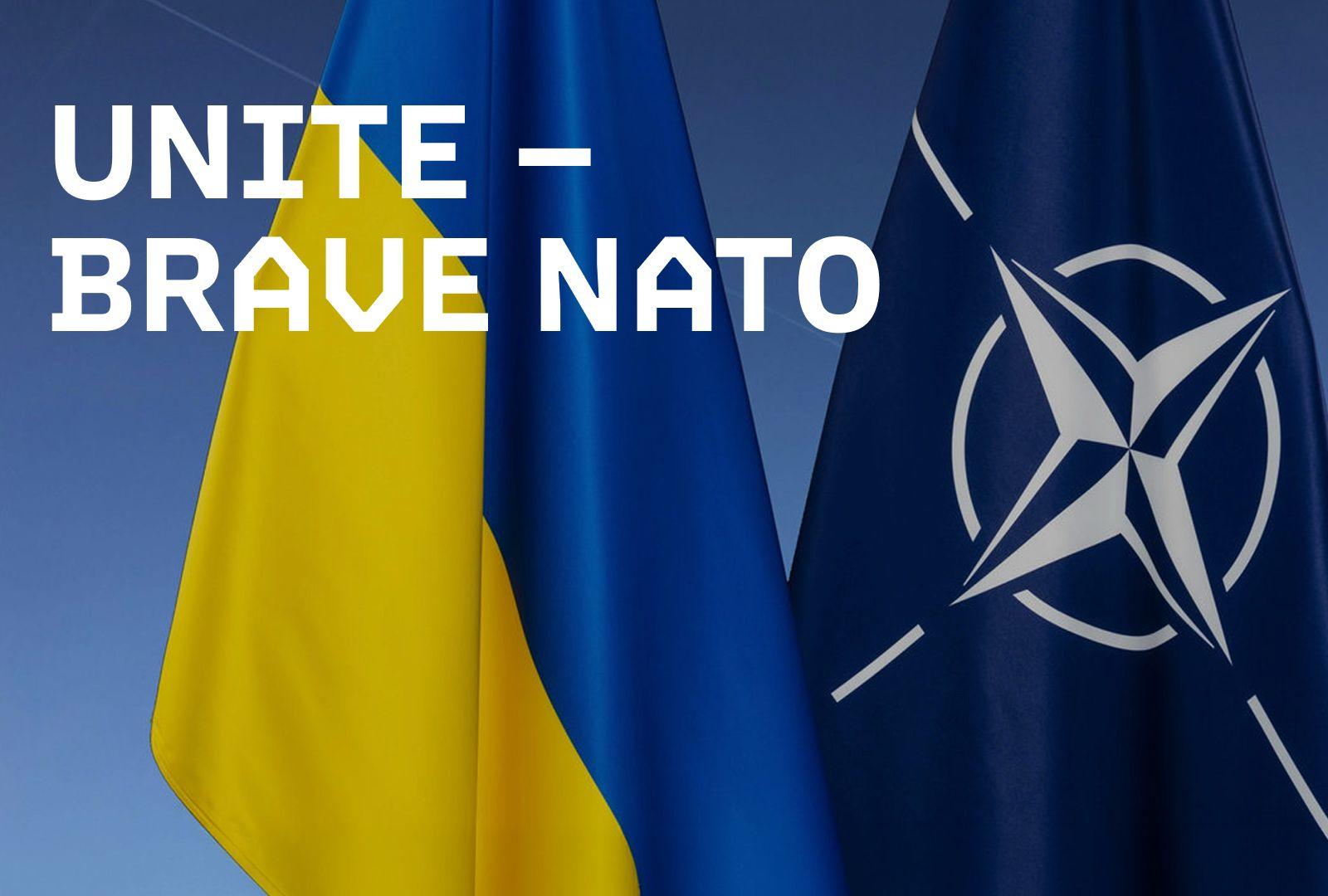
UNITE - Brave NATO: why the August rule changes mattered
Ownership evidence, platform messages and a longer compliance review shaped the first joint Ukraine-NATO innovation competition.
- NATO
- Brave1
The first UNITE - Brave NATO call brought Ukrainian developers and companies from NATO member states into a joint innovation programme. Its initial focus was counter-UAS and air defence. Brave1 announced a two-stage process administered through Ukraine’s Prozorro platform.
The first stage was a qualification check, not the full technical application. Expressions of interest closed at the beginning of August. This article reconstructs the subsequent procedural update and does not describe the qualification window as open.
On 7 August, Brave1 published amendments approved the previous day. They extended the internal compliance review from ten to fifteen working days and said the second stage would start later than first communicated.
Where an applicant could miss an important message
The amendments clarified that communications would use the authorised electronic platforms, including applicants’ accounts. Developers were responsible for receiving those messages promptly. Checking a public news page was therefore not a substitute for monitoring the submission account.
The update expected compliance checks to continue through 17 August, with the exact second-stage opening to be announced separately. That was an expectation in the August notice, not evidence that every applicant completed review on that date.
Ownership and restricted registers
The updated rules addressed records unavailable in public registers, including relevant official certificates and Defence City extracts where applicable. They also specified evidence for undistributed shares in ownership structures. These details can matter where a cross-border group is more complex than the operating company’s registration certificate.
For a consortium preparing a future round, the practical lesson is to assemble ownership documentation and assign responsibility for platform communications before the deadline. The technical proposal and the legal-entity review are different workstreams; strength in one does not resolve missing information in the other.
Sources & context
Published by Mitchell Strategic Solutions Group. See our editorial standards and corrections policy. Read more →
Related reporting
DefTech Forges: what the August call offered Ukrainian and EU developers

Brave1 Market adds custom procurement: who pays and how bids are compared