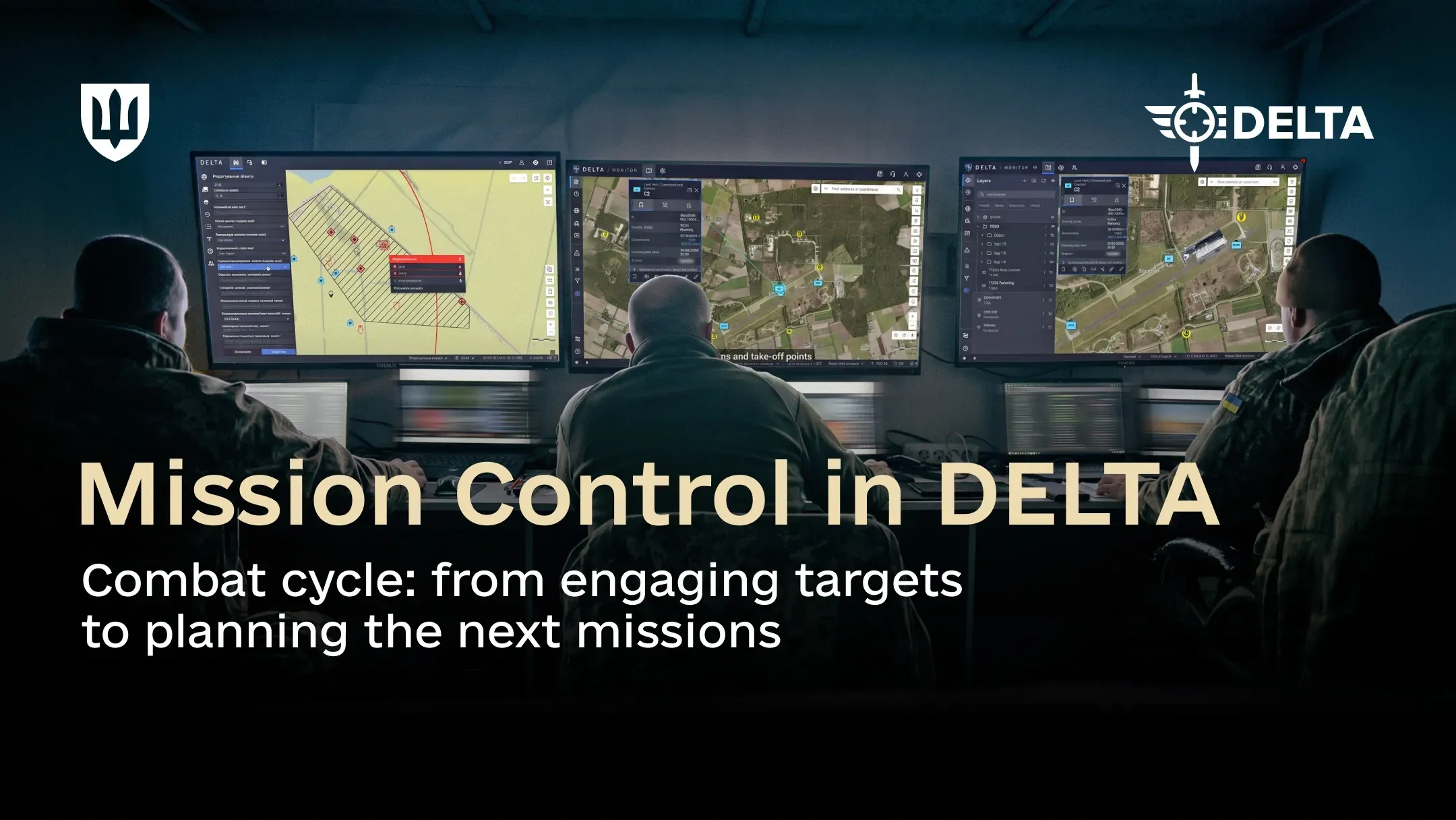

Ukraine’s logged ground-robot missions pass 31,000 in October
The defence ministry’s ten-month series tracks logistics and evacuation work. It gives suppliers a clearer view of recorded activity, while leaving fleet size and the cost of sustaining that activity unmeasured.
- Ukraine
- Ground robotics
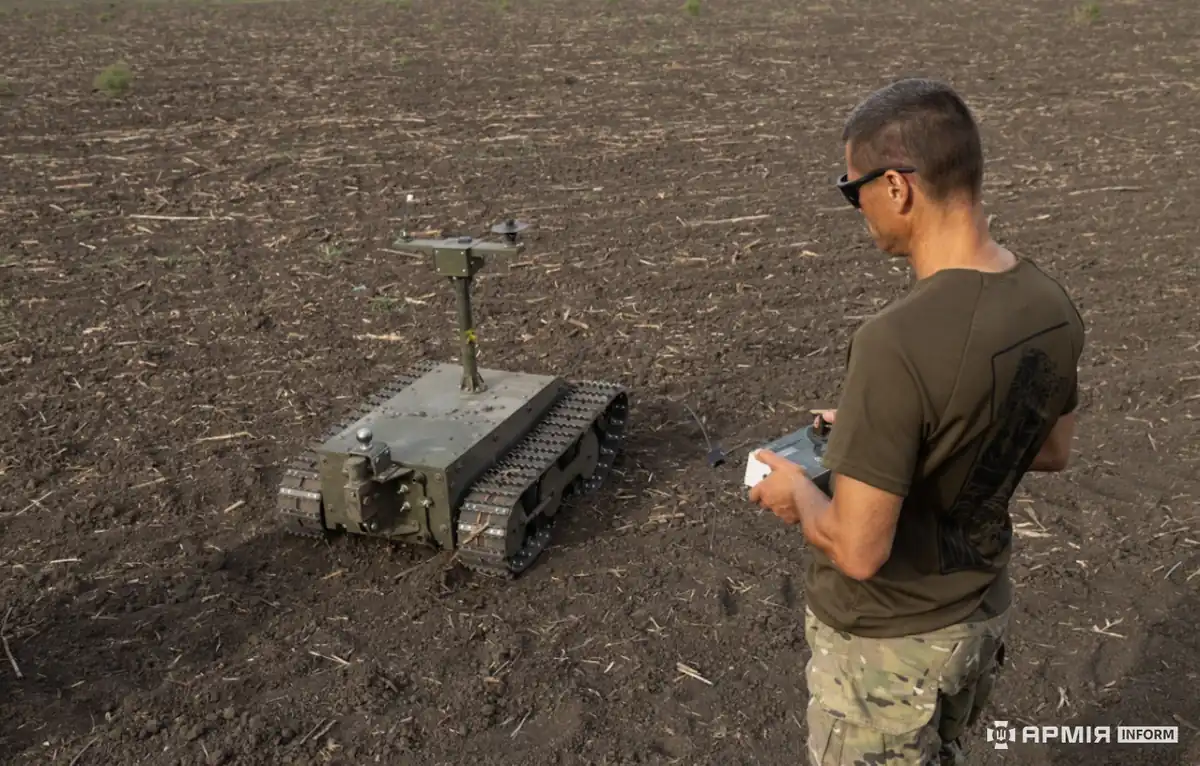
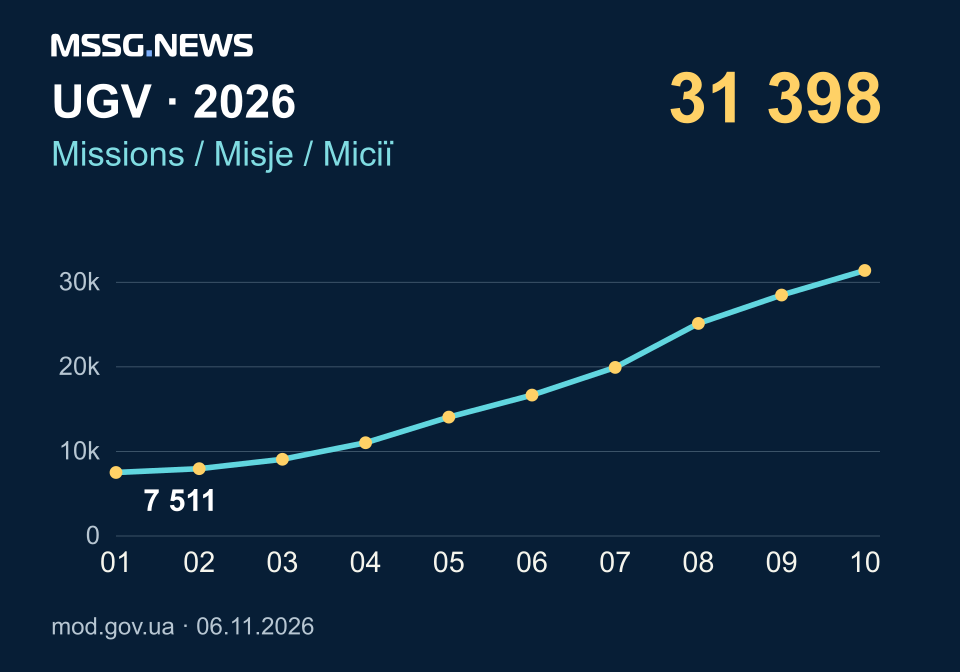
Ukraine’s Ministry of Defence reports 31,398 logistics and evacuation missions by unmanned ground vehicles in October, up from 7,511 in January. That is about 4.18 times the January total, calculated from the ministry’s figures. The useful industrial signal is the volume of work being recorded across repeated use.
The 6 November announcement describes October as the highest monthly total since the ePoints programme began. The ministry says the missions were entered in the DELTA system and verified by Brave1 specialists. This is a ministry-reported activity series with a defined administrative process, rather than an independently measured inventory of robots.
The series increases every month. September recorded 28,491 missions; October added 2,907, a rise of approximately 10.2%. Both calculations compare monthly totals. They do not measure the performance of an individual vehicle or establish why recorded activity increased.
An activity measure with a clear unit
A mission is the unit in this account. One vehicle can undertake several missions, while different vehicles may carry different loads or work for different durations. The announcement supplies no fleet denominator, utilisation rate, total distance or breakdown by manufacturer. Dividing missions by an assumed fleet would create a statistic the source cannot support.
Our assessment is that the series becomes more useful when read as an operating workload. It provides a basis for asking what maintenance, spare parts, charging and operator support are needed to keep equipment working. Those are industrial questions raised by sustained use; the ministry’s table does not quantify their cost.
Verification connects activity with equipment access
The ministry describes a feedback mechanism around verified missions: units receive ePoints that can be exchanged on Brave1 Market for aerial drones, electronic-warfare systems and ground robots. Recording activity therefore has a practical consequence within the equipment-support system.
For a supplier, this makes the verification and support arrangements relevant alongside the platform itself. The announcement does not give a points tariff, purchase value or new supplier application deadline. A commercial forecast would need actual procurement information in addition to the mission series.
What would make the next comparison stronger
The reported tasks include delivering ammunition, food and water and evacuating wounded personnel. The ministry presents their purpose as reducing exposure of people. The count alone does not state how many casualties were prevented or how many people would otherwise have made each journey.
A stronger future comparison would pair the same mission definition with fleet availability, completed tasks, maintenance demand and the conditions of use. For European partners following Ukraine’s ground-robot industry, the immediate finding is already substantial: the recorded workload is more than four times January’s. The next industrial question is how reliably that workload can be sustained.
Sources & context
Published by Mitchell Strategic Solutions Group. See our editorial standards and corrections policy. Read more →
Related reporting
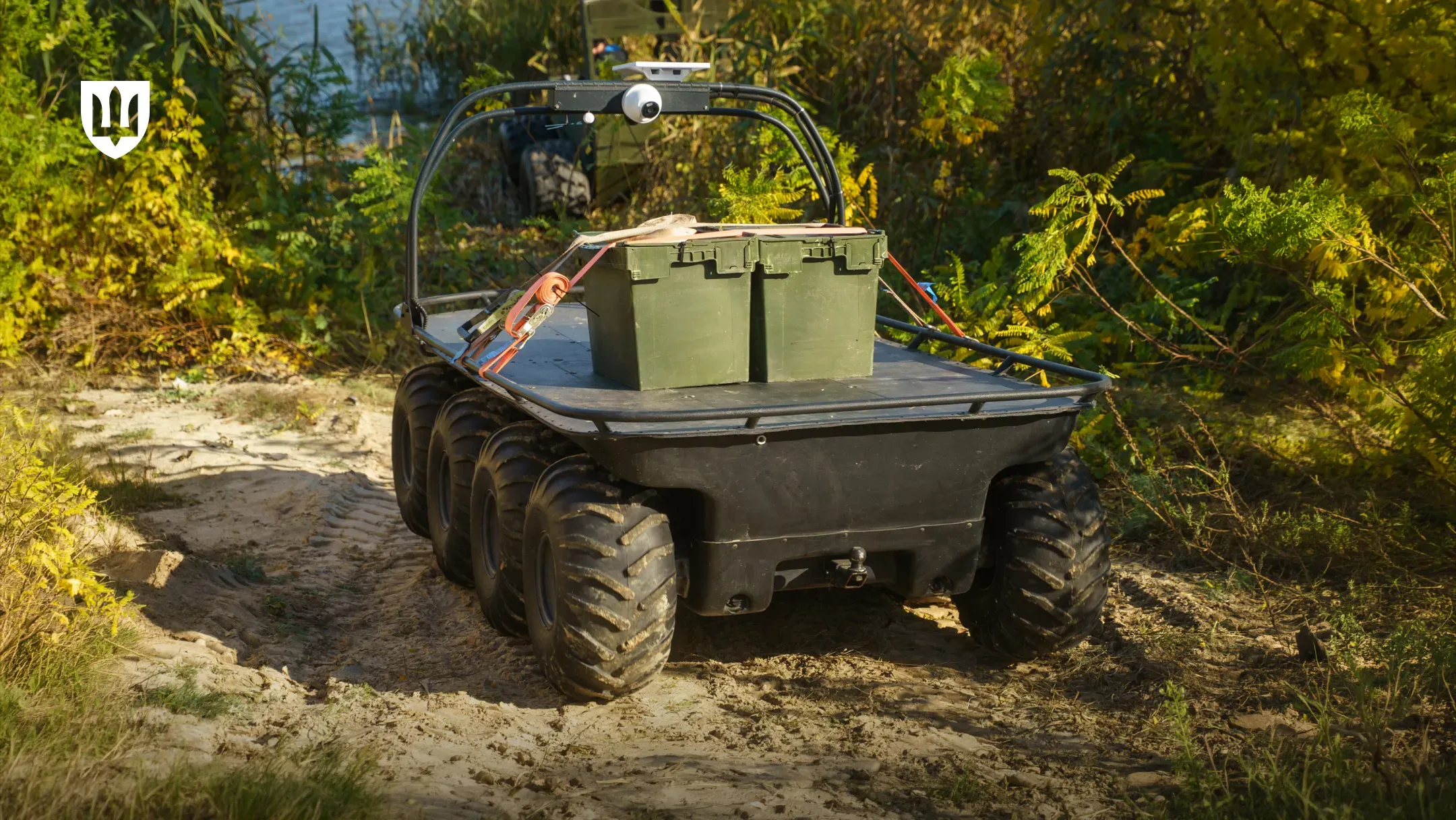
Brave1 Market adds three amphibious robots. The ePoints route comes later.
Ukraine reports aerial drone rescues. Payload capacity is only one part of the evidence.