NATO opens its resilience baseline to industry
The public release gives civilian suppliers a clearer reference for continuity planning, with Ukrainian experience informing the discussion.
- policy
- Europe
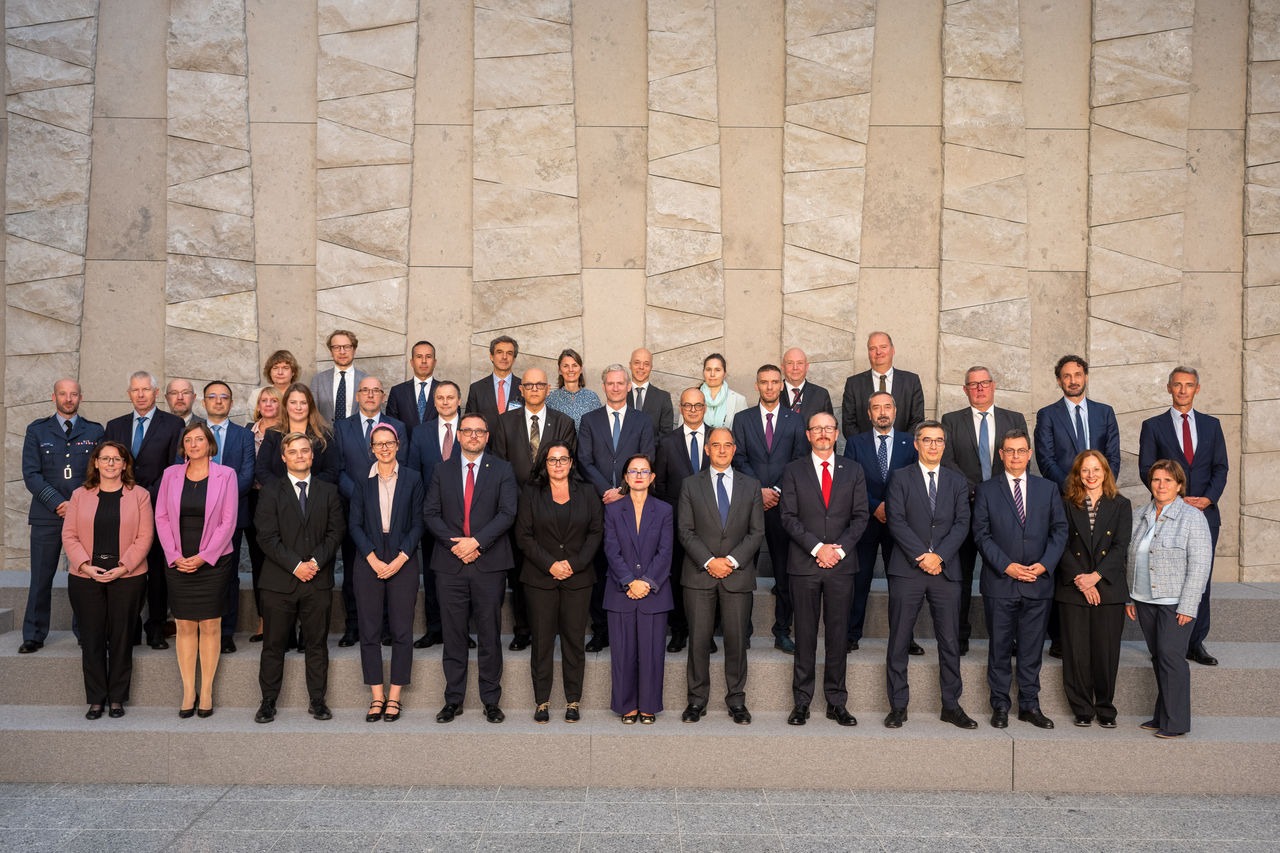
NATO announced on 17 September that it was making its Baseline Requirements for Resilience public for the first time. The decision brings a framework previously used between governments into a wider discussion with infrastructure operators and industry.
Meetings in Brussels included water, communications and energy businesses. Ukrainian authorities also shared experience of maintaining essential services under attack. The announcement concerns preparedness and continuity; it does not announce a supplier competition.
For companies working across civilian and defence markets, the useful question is which essential service their product keeps running when normal arrangements fail.
From equipment to a service that survives disruption
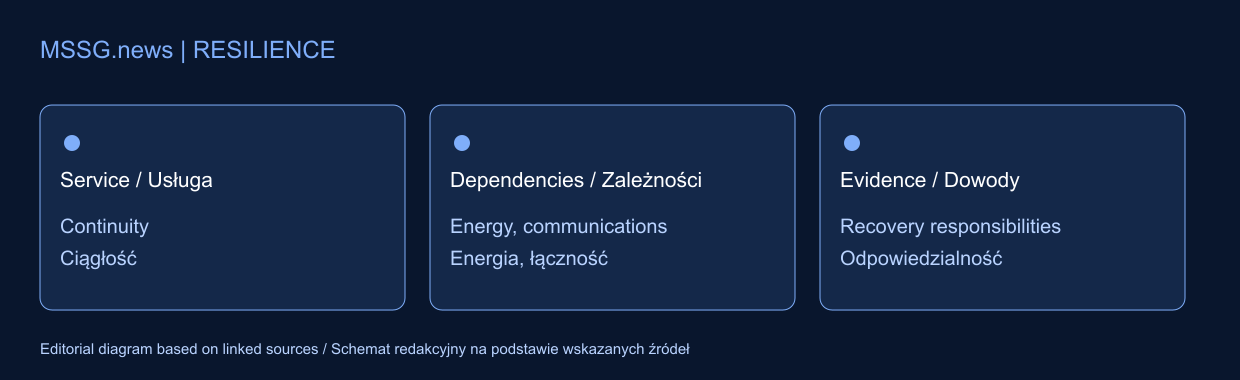
A backup generator, communications terminal or monitoring sensor is only one part of continuity. A credible proposal also describes maintenance, replacement parts, trained staff and the dependencies that remain outside the supplier’s control. Our assessment is that these connections deserve as much attention as the product specification.
Consider a municipal water operator: power availability and communications can affect its ability to monitor and restore service. A technology presentation becomes more useful when it explains the supported function, the fallback and the recovery process without disclosing sensitive weaknesses.
A common reference is useful before procurement
The public baseline can help customers and suppliers develop a shared vocabulary. It should not be presented as a new NATO product certification or a guarantee of eligibility for funding. A buyer must still translate its own obligations and service priorities into a specific requirement.
What an industry team can do now
Read the released requirements with operations staff, rather than treating them only as a sales document. Map the service supported by the product, the organisation responsible for restoration and the evidence that can be shared safely. Keep detailed infrastructure vulnerabilities out of public marketing material.
Sources & context
Published by Mitchell Strategic Solutions Group. See our editorial standards and corrections policy. Read more →