

Eight partners align with EU Russia sanctions: what the August statement means
Alignment with the July measures is a separate step from adoption of the EU package and from an individual export decision.
- EU
- Ukraine
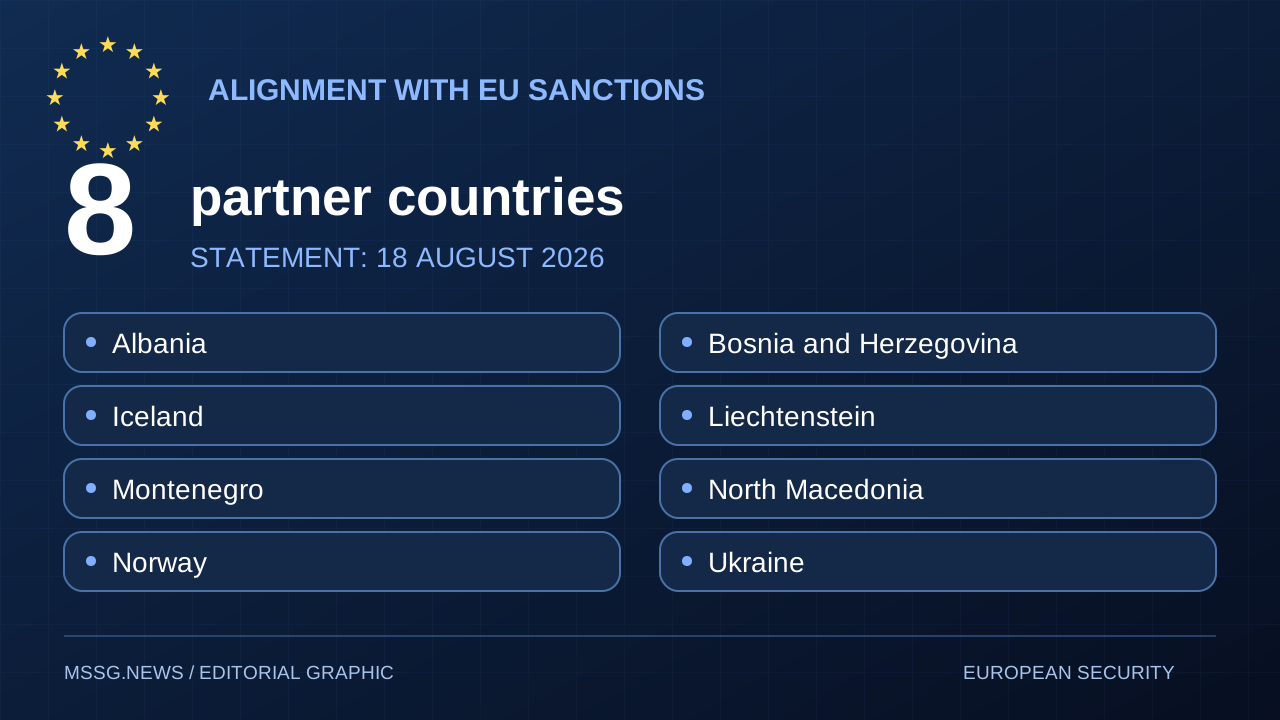
On 18 August, the EU High Representative published a statement on eight countries aligning with restrictive measures adopted on 23 July. The countries were Albania, Bosnia and Herzegovina, Iceland, Liechtenstein, Montenegro, North Macedonia, Norway and Ukraine.
The distinction between dates matters. The August statement records partners’ alignment with an existing EU decision; it is not the adoption date of a new package. The underlying measures cover several channels supporting Russia’s war economy.
The Council’s account includes additions to restrictions affecting entities associated with the military-industrial complex, alongside measures concerning shipping and financial channels. For a technology supplier, export restrictions and counterparty restrictions must be considered together.
Alignment and implementation
The statement says participating countries will ensure their national policies conform to the Council decision. It does not create a single application desk for exporters across all those jurisdictions. Relevant national authorities and procedures remain important.
A company with partners in Poland, Norway and Ukraine therefore needs to identify which rules and approvals apply to each part of a proposed transaction. The press statement helps explain the policy direction, but cannot substitute for reading the applicable legal text.
Why smaller suppliers should care
Our assessment is that small components and software suppliers need the same basic traceability as larger manufacturers: who buys, who controls the buyer and where the product is intended to go. A chain involving several friendly countries can still require checks at each stage.
Alignment should not be presented as an unrestricted trading permission. Nor does it establish that every affected party has already completed national implementation. The useful distinction is between the shared policy commitment and the legal requirements of a particular delivery.
Sources & context
Published by Mitchell Strategic Solutions Group. See our editorial standards and corrections policy. Read more →
Related reporting

Wicklow defence talks: maritime infrastructure joins Ukraine and space on the agenda
SAFE: how European loans become industrial procurement