
OMAG at MSPO: the formal work behind a move into defence production
Agnieszka Urbańczyk’s account shows why permissions and legal support need a place in the delivery plan.
- MSPO 2026
- OMAG
Watch the video
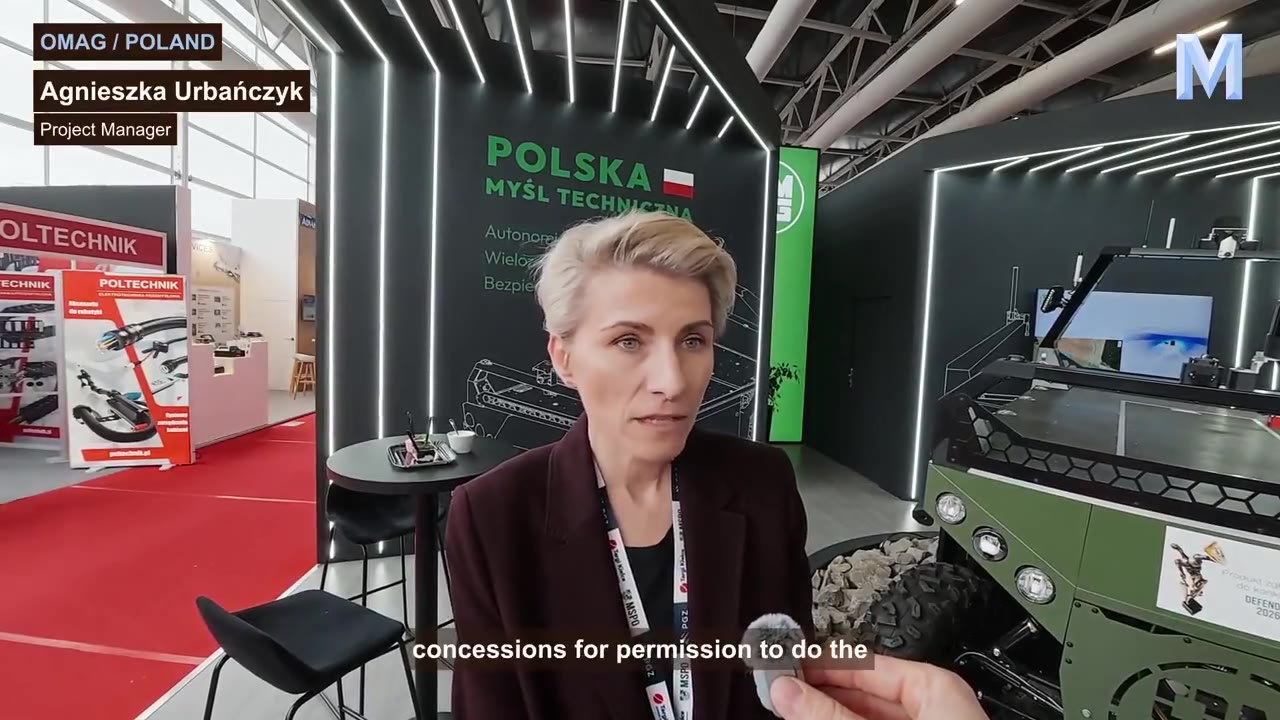
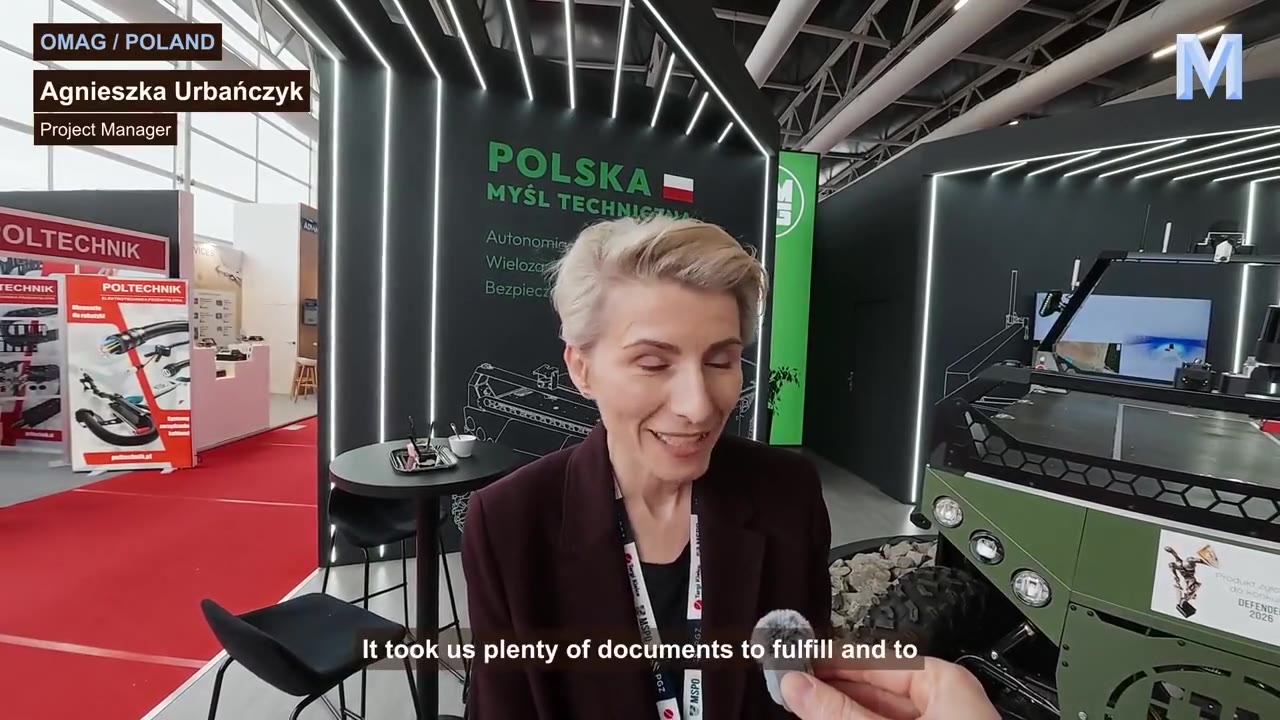
At MSPO, Agnieszka Urbańczyk of OMAG spoke to MSSG about the time and legal work involved in permissions for military production. Her account formed part of our supplier interview film, first published on 11 September.
The subject is commercially important because a manufacturing capability and permission to undertake a particular activity are not the same thing. Experience in an existing industrial market does not automatically settle the requirements of a new defence application.
This article develops that specific interview theme. It is not a legal guide to every Polish licence, a claim about OMAG’s current permission status or a comparison of national regulatory systems. The source is the experience described by our interviewee.
Putting formal dependencies into the schedule
Our reading is that a delivery plan needs to identify dependencies outside engineering. If a proposed activity requires permission, the responsible team must know what documentation is needed and who owns the process. An equipment-development timetable alone cannot capture that dependency.
Urbańczyk’s emphasis on legal work is relevant here. Specialist support can help define the applicable questions, but the interview does not establish a universal time limit or a guaranteed fast route. A schedule based on another company’s experience still needs verification for the actual project.
What a partner can ask
A potential industrial partner should distinguish the capability being offered, the activity to be performed and the proposed delivery arrangement. Those distinctions make it possible to ask a precise question about readiness rather than seeking a general assurance that everything is approved.
The same discipline helps a manufacturer explain progress without overstating it. A completed technical demonstration, an application submitted and a permission granted are separate milestones. They should not be collapsed into one claim of market readiness.
The source and its limits
The embedded video preserves Urbańczyk’s words alongside interviews with other MSPO suppliers. Our additional analysis explains why the issue matters for market entry. It does not add an unrecorded quotation or imply that MSSG carried out a legal audit of OMAG.
For companies approaching defence from an adjacent sector, the lesson is to start the formal-workstream discussion early and connect it to the proposed product and activity. That is a planning principle, not transaction-specific regulatory advice.
Sources & context
Published by Mitchell Strategic Solutions Group. See our editorial standards and corrections policy. Read more →
Related reporting

FlyEye with X-LIFTAIR: a new launch method and a configuration question
StormRider 550 at MSPO: a smaller maritime platform, distinct from the 850