

Europe’s space push: where IRIS² meets the dual-use market
The Paris summit puts secure satellite communications back in focus. For suppliers, the practical question is which customer and which procurement route their product can serve.

- IRIS²
- Secure communications
At the International Space Summit in Paris on 10 September, Ursula von der Leyen backed a stronger IRIS² programme. The Commission describes the future constellation as a way to reduce dependence on non-European satellite systems. It also points to additional funding pledges from Member States, without naming amounts in this announcement.
IRIS² is intended to serve both public and commercial users. The Commission lists defence, maritime surveillance and emergency communications alongside transport, energy and offshore operations. These are intended applications; the programme page does not make this a service that a customer can order today.
For a dual-use supplier, the useful question is therefore more specific than whether Europe wants more satellite capacity. Which operational problem would the company solve, for which buyer, and with what evidence?
A policy signal is the start of the commercial work
The Paris announcement identifies a direction for European policy. A supplier still needs a named procurement opportunity, a contracting organisation and the requirements against which its product will be assessed. The two Commission pages cited here do not establish that a particular SME can now bid for an IRIS² contract.
Our assessment is that companies should separate three possible roles before approaching a partner: supplying a component, integrating communications into an existing product, or providing a service to an end user. Each implies a different customer conversation. A pitch covering all three without explaining the company’s actual capabilities makes that conversation harder.
Start with the user’s operating conditions
A useful proposal would describe what happens when the normal communications link is unavailable. What information must still get through? How quickly? Who controls access, and who supports the equipment in the field? These are questions for a technical and commercial assessment, not claims that any particular supplier already meets the programme’s requirements.
For companies working with customers in Poland or Ukraine, a documented account of a communications problem may be more persuasive than a general claim of relevance to European security. Operational experience should be presented with permission and without exposing sensitive locations, users or system weaknesses.
What to watch next
We would look for published procurement documents, identified integration partners and customer requirements before treating this policy announcement as near-term revenue. For investors, that means asking management to distinguish a plausible application from a qualified sales opportunity. For suppliers, it means preparing evidence that a prospective partner can actually evaluate.
Sources & context
- European Commission: Paris space summit, 10 September 2026 ↗
- European Commission: IRIS² programme and intended applications ↗
Published by Mitchell Strategic Solutions Group. See our editorial standards and corrections policy. Read more →
Related reporting
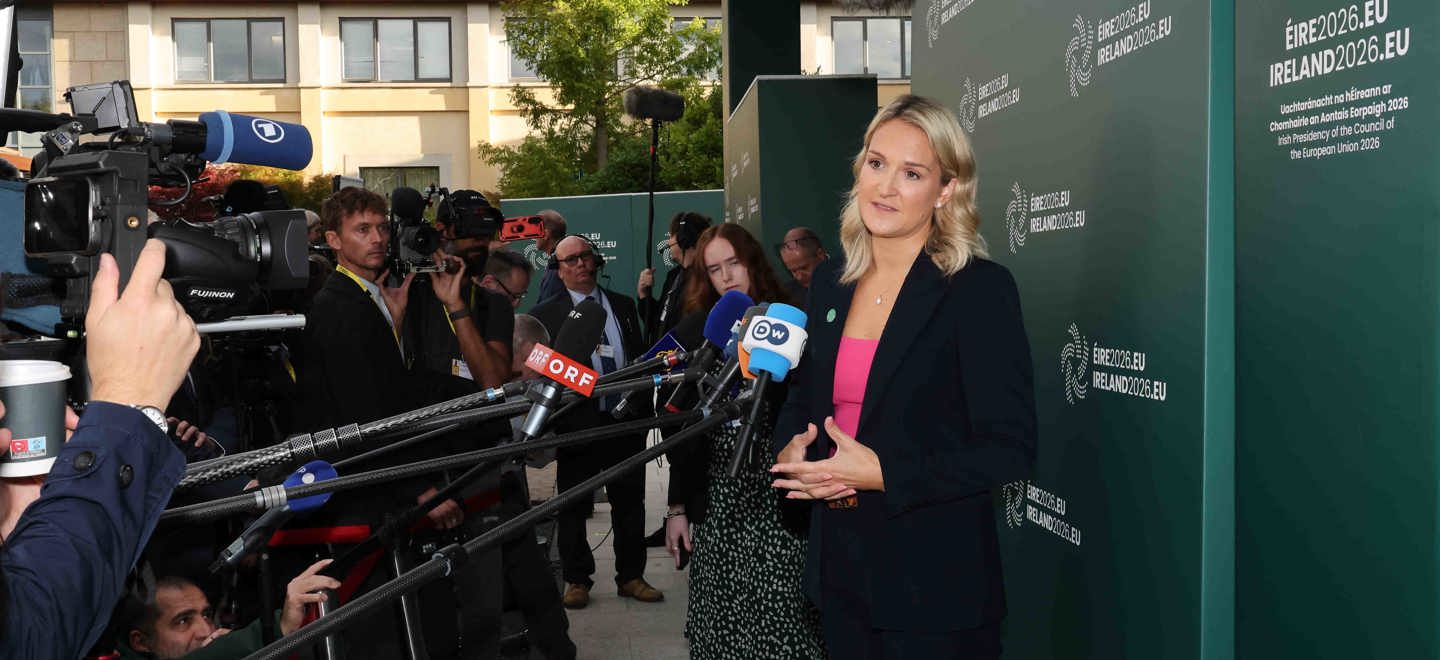
Wicklow defence talks: maritime infrastructure joins Ukraine and space on the agenda
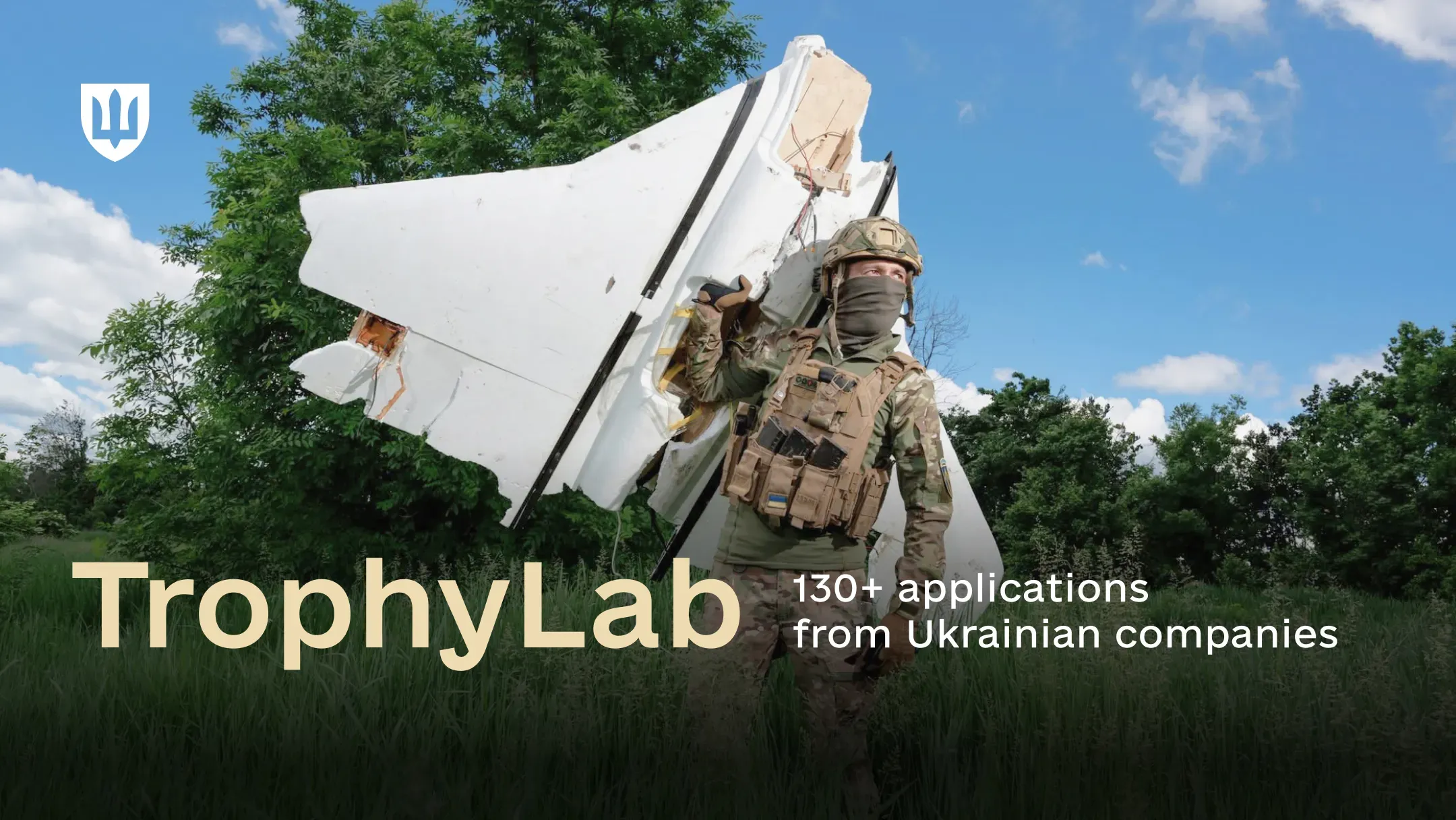
TrophyLab: more than 430 applications for access, not 430 approved users